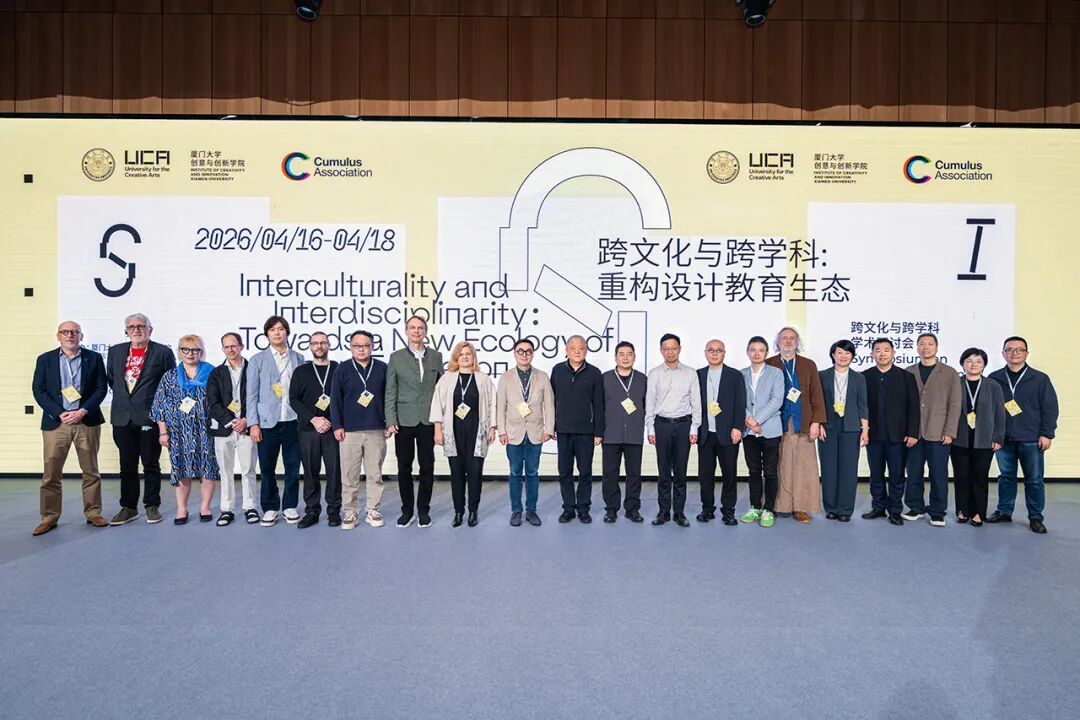
From April 16 to 18, 2026, in celebration of Xiamen University’s (XMU) 105th anniversary, the Institute of Creativity and Innovation (ICI), hosted the 2026 Symposium on Interculturality and Interdisciplinarity: Towards a New Ecology of Design Education at the XMU Zhangzhou Campus. The symposium established a high-level platform for academic exchange centered on interculturality and interdisciplinarity. Focused around the core question of how to systematically build an educational ecology that genuinely integrates cultural awareness and disciplinary wisdom, the event explored how design today—beyond its traditional aesthetic and functional roles—has become a vital force that connects diverse cultures, integrates complex systems, and responds to shared human challenges in this era of converging globalization and intelligent technologies. The symposium sought to address the critical question of our time: how to cultivate high-caliber creative design talents who can navigate different cultures and integrate diverse fields of knowledge to drive innovation.
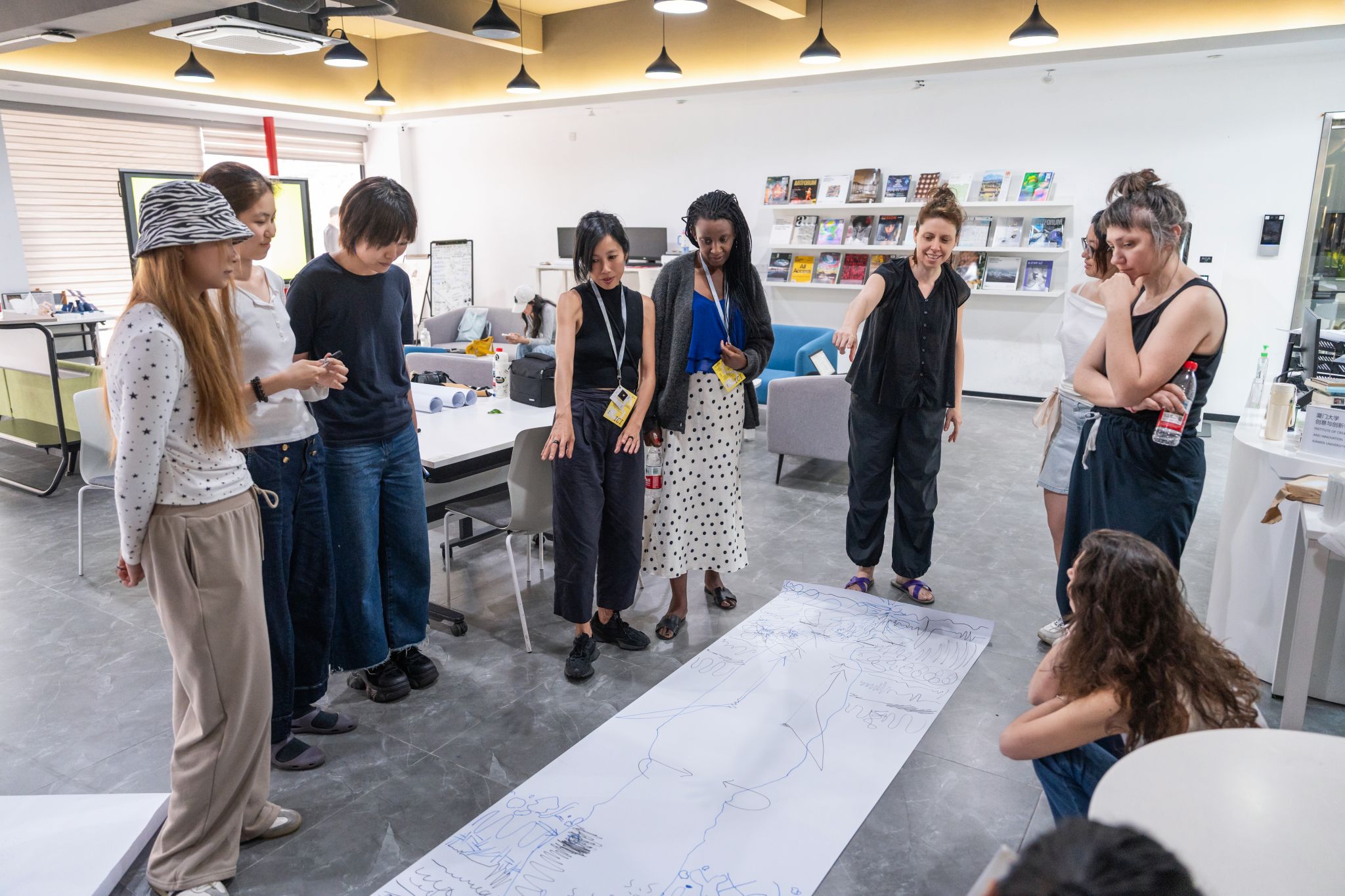
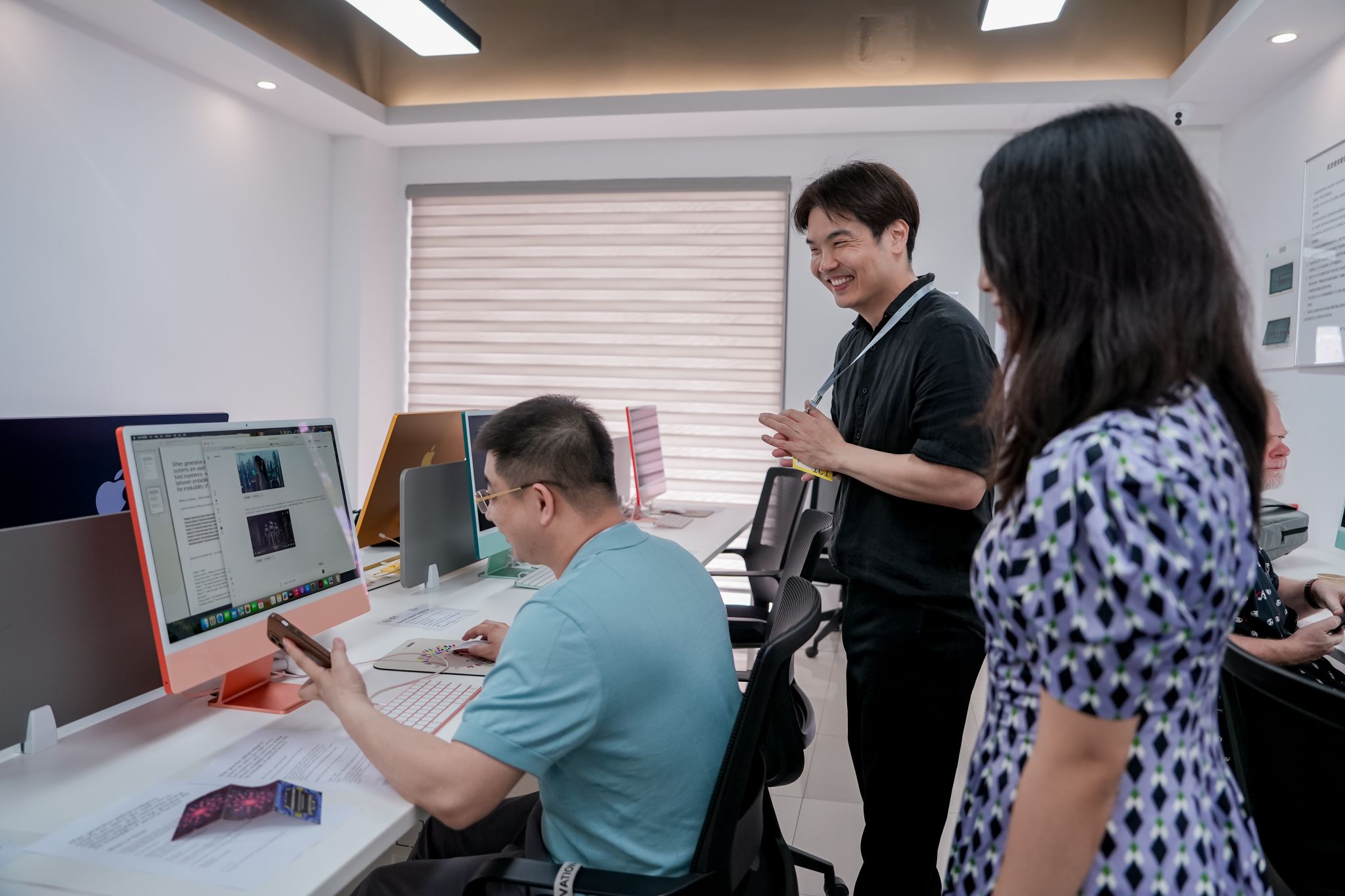
The symposium featured multiple modules, including keynote speeches, roundtable discussions, workshops, and parallel exhibitions. It focused on topics including Resilient Symbiosis, Digital Humanities and Cultural Intelligence, Technology Ethics and Civilizational Responsibility, and Educational Ecology: Designing the Future of Learning. The symposium created a dynamic space for intercultural dialogue and interdisciplinary collaboration—an immersive and dialogic “learning interface” where digital media, visual language, and spatial practices intertwine. Our reflections on—and experiments with—the future of education were made visible and tangible, transforming educational ideas into embodied spatial experiences.
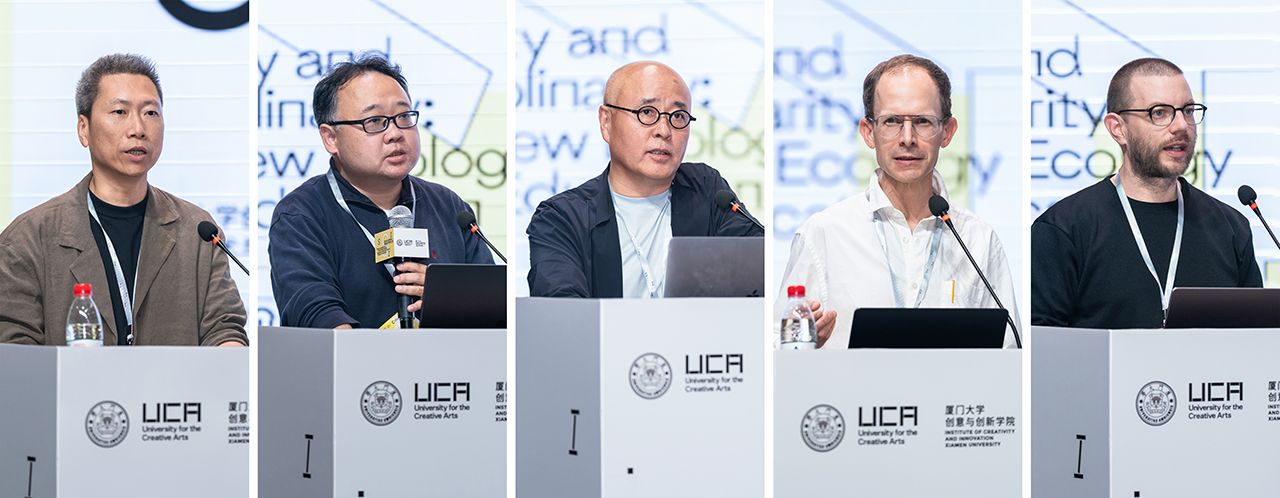
The symposium brought together scholars, practitioners, and thinkers in creative design education from 22 countries, as well as ICI faculty and students. Keynote speakers and presenters included: Professor Lou Yongqi, President of Shanghai University of Engineering Science; Ms. Réka Matheidesz, CEO of Moholy-Nagy University of Art and Design in Hungary; Ms. Eija Salmi, Secretary-General of the International Association of Universities and Colleges of Art, Design and Media (Cumulus Association); Professor Ji Tie, Dean of the School of Design at Hunan University; Professor Marc Aurel Schnabel, Dean of the Design School at Xi'an Jiaotong-Liverpool University; Professor Cao Nan, Deputy Dean of the College of Design and Innovation at Tongji University; Professor Jean-Claude Ruano-Borbalan from the Conservatoire National des Arts et Métiers (CNAM) in France; Professor Bi Xuefeng from the China Academy of Art (CAA); Professor Fang Xiaofeng from Tsinghua University; Professor Fei Jun from the Central Academy of Fine Arts (CAFA); Professor Hong Rongman from Guangzhou Academy of Fine Arts; Professor David Reinfurt from Princeton University; and Associate Professor Anthony Masure, Head of Research at the Geneva University of Art and Design (HEAD–Genève).
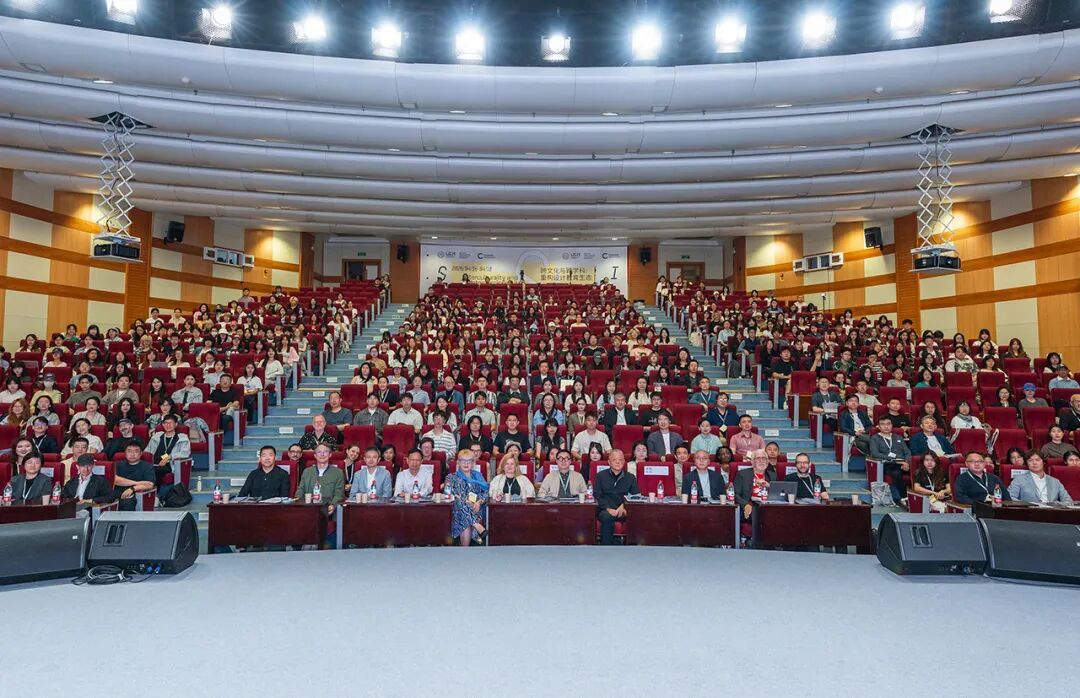
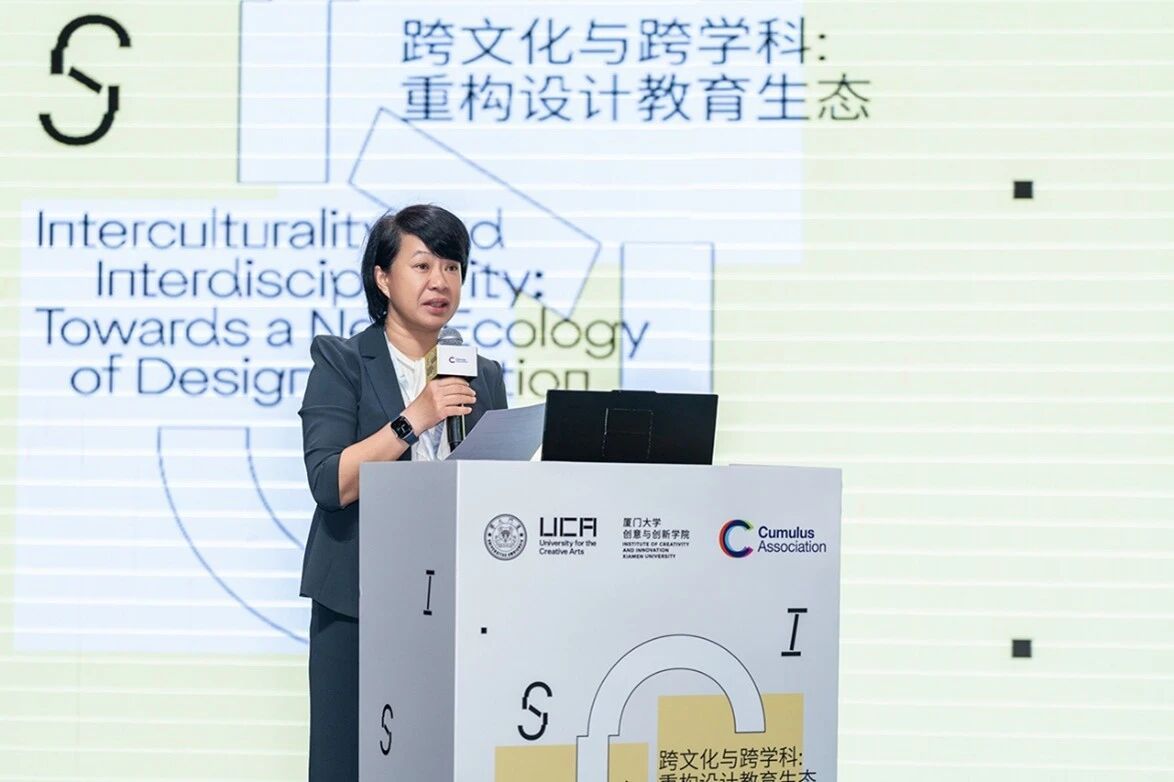
The symposium opened on the morning of April 17 in the Lecture Hall of Building No. 3 in the Main Building Complex at the XMU Zhangzhou Campus. Ms. Wang Yi, Chair of the ICI Council hosted the opening ceremony. Professor Wu Chaopeng, Vice President of XMU, Professor Qin Jian, Chair of the Symposium and Dean of ICI, and Eija Salmi, Secretary-General of the Cumulus Association delivered opening remarks. Also in attendance were Professor Li Jun, Director of the XMU Zhangzhou Campus Management Committee and Executive Vice Chair of the XMU Tan Kah Kee College; Professor Wang Shaosen, Chair of the XMU School of Architecture and Civil Engineering Council; along with invited guests, experts, scholars, and ICI faculty and students.
In a video message, Vice President Wu Chaopeng extended a warm welcome on behalf of XMU to experts, scholars, and friends from across the world. He noted that since its founding, XMU has been imbued with a spirit of “embracing both Eastern and Western learning” and “inclusiveness”—a legacy inspired by Mr. Tan Kah Kee’s innovative vision that continues to guide the university. ICI, he continued, is the university’s first Sino-foreign cooperative educational institution. By establishing a new talent development model centered on interculturality and interdisciplinarity, the Institute has seen strong growth in recent years: it has joined the Cumulus Association; its faculty and students have showcased their work at major exhibitions and competitions around the world; and its graduates are highly competitive in the job market. Together, these achievements exemplify a vibrant integration of the “most international” and “most local’” He concluded that reconstructing the ecology of design education demands deep theoretical grounding, solid hands-on effort, a steadfast commitment to local contexts, and a global outlook. He expressed his confidence that this symposium would significantly advance exchange and collaboration in design education between China and other countries, contribute to the establishment of long-term mechanisms, and inject sustained vitality into the field.
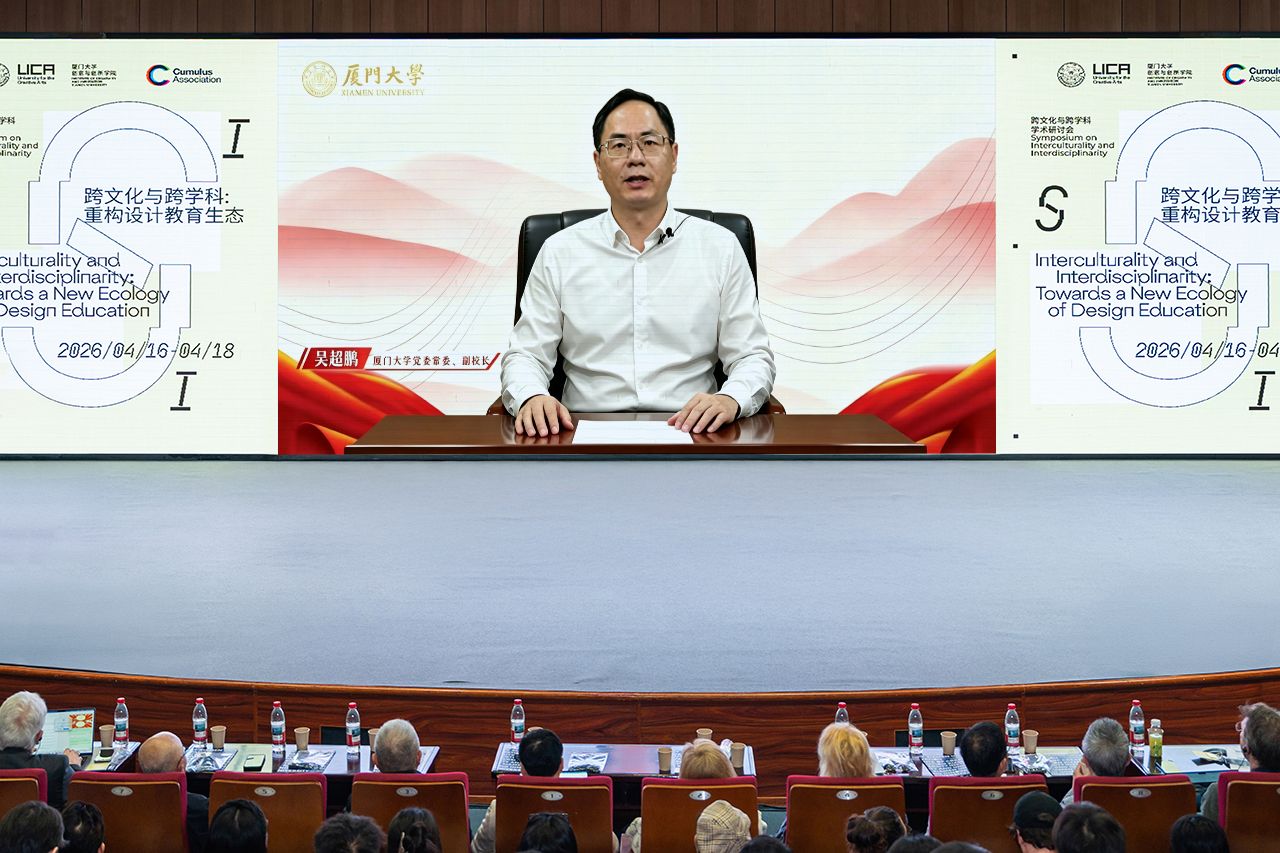
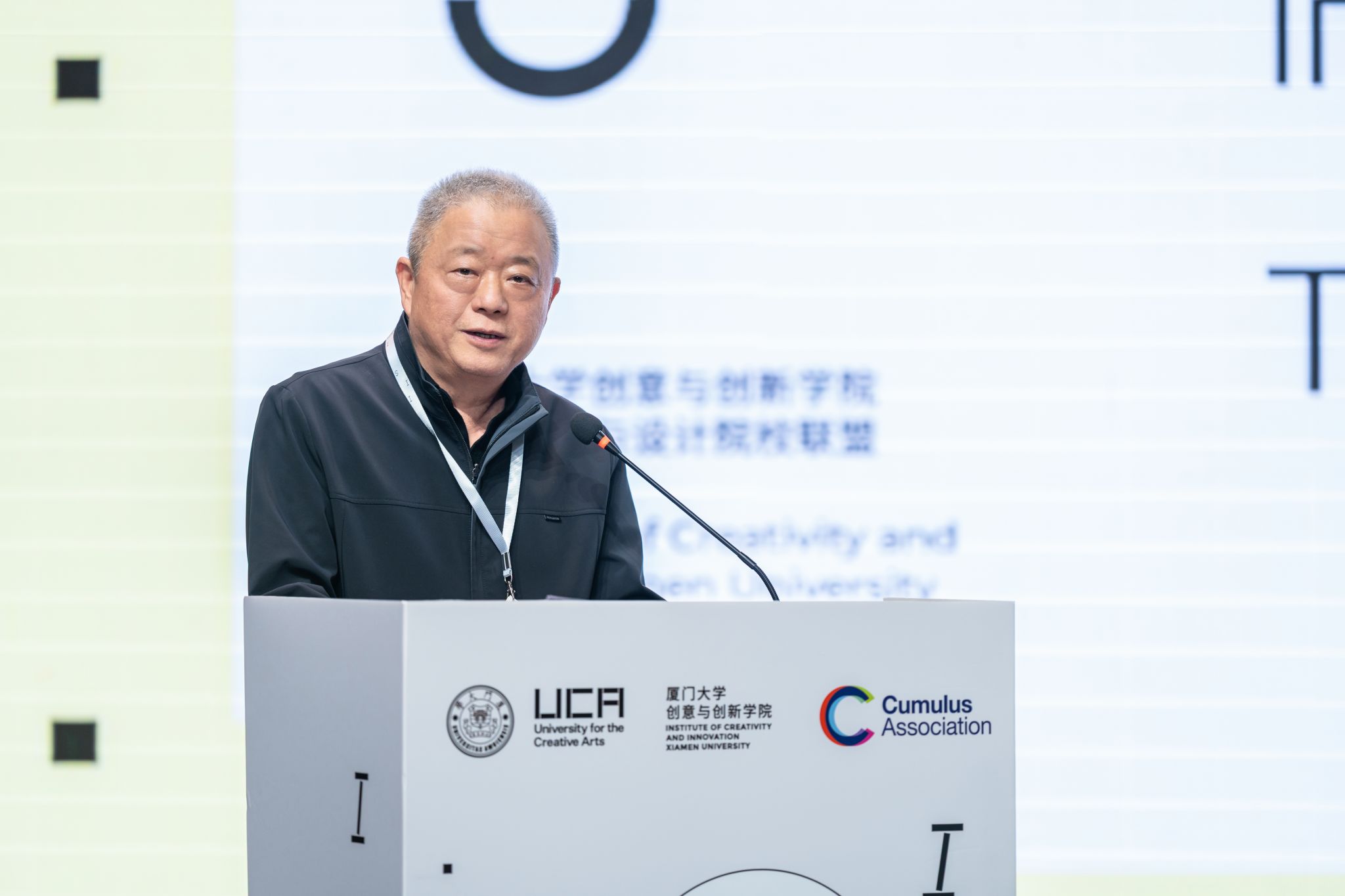
In his address, Professor Qin Jian noted that, in the face of global challenges and accelerating technological shifts, traditional design education models are ill-equipped to address the new challenges of our era. He asserted that an intercultural and interdisciplinary approach is essential to reconstructing the ecology of design education. ICI has been exploring a systematic reconstruction of design education across four dimensions—goals, content, methodology, and space. This has meant shifting from skills transmission to cultivating systemic thinking; integrating multidisciplinary knowledge; implementing research-driven, project-based learning; and building open platforms that transcend institutional boundaries. The Institute is committed to developing an integrated mechanism that links research, production, and public engagement. Qin Jian expressed his hope to work with all participants to build a new ecology for design education that is more inclusive, innovative, and resilient.
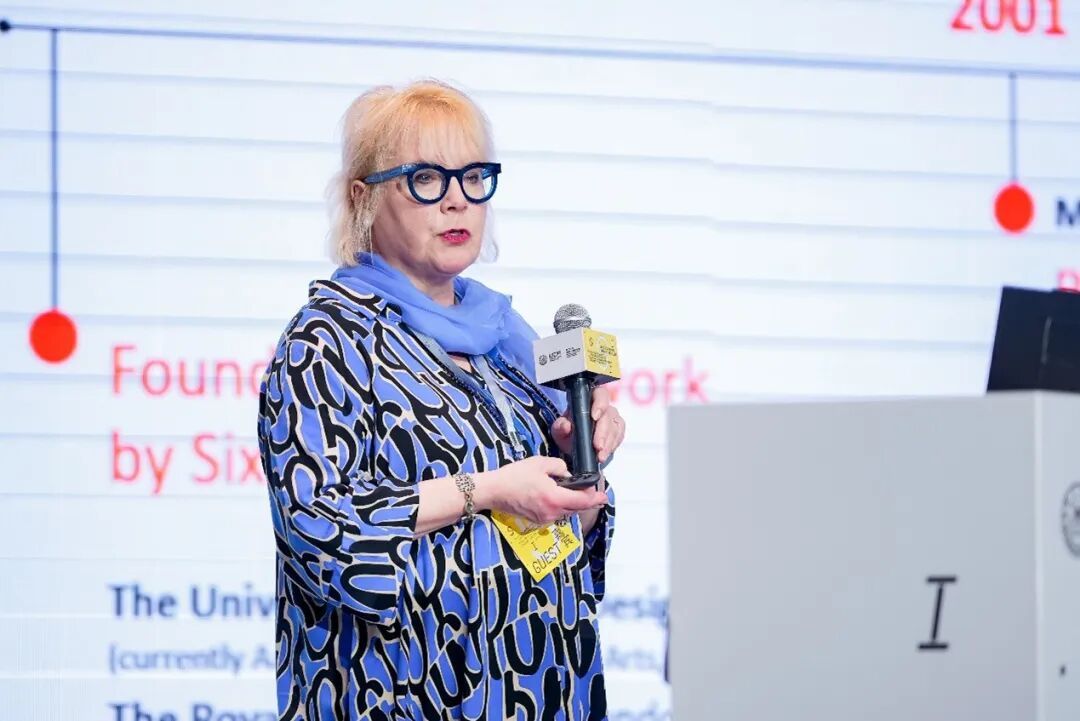
In her address, Ms. Eija Salmi stated that the Cumulus Association is the only global organization dedicated to education and research in design, art, and media. Over the 36 years since its founding, its membership has grown from 2 to 395 institutions across 71 countries and regions. Committed to “sharing, mutual support, and collective progress,” the association promotes cooperation and exchange among leading educational institutions in the fields of art and design across the world, working together to address the challenges of our time. She noted that ICI is one of Cumulus’s newest members, and that this symposium also serves as a platform to showcase and share the innovative educational practices of its members, making it a landmark event for advancing the field of design education.
The symposium featured 13 keynote presentations:
Lou Yongqi: “Design Evolution and the Construction of a Design Capital”
Ji Tie: “Human-AI Co-creation: Design Transformation and Innovation”
Marc Aurel Schnabel: “Immersive Design Legacies and Intelligent Futures: AI, Creative Technologies, and the Repositioning of Design Education”
Cao Nan: “From Intelligence Emergence to Creative Emergence: Intelligent Design Research Driven by Large Models”
Bi Xuefeng: “Redesign”
David Reinfurt: “A *Co-* Program for Graphic Design”
Anthony Masure: “AI & Creation: From Disruption to Institutional Strategy”
Roger F. Malina: “Emergence in Complex Systems”
Fei Jun: “Interdisciplinary Context and Practice of Art and Technology”
Fang Xiaofeng: “Design Education in the Information Age”
Réka Matheidesz: “Catalyst for Intercultural and Interdisciplinary Education”
Jean-Claude Ruano-Borbalan: “From Interdisciplinarity to Transformational Research: Design Education as an Ecology of Knowledge Production”
Jurgen Bey (Industry Expert, Institute of Creativity and Innovation, Xiamen University): “When Knowledge is Everywhere, What Landscape does Intelligence Live in? Designing the Conditions for Living Intelligence”
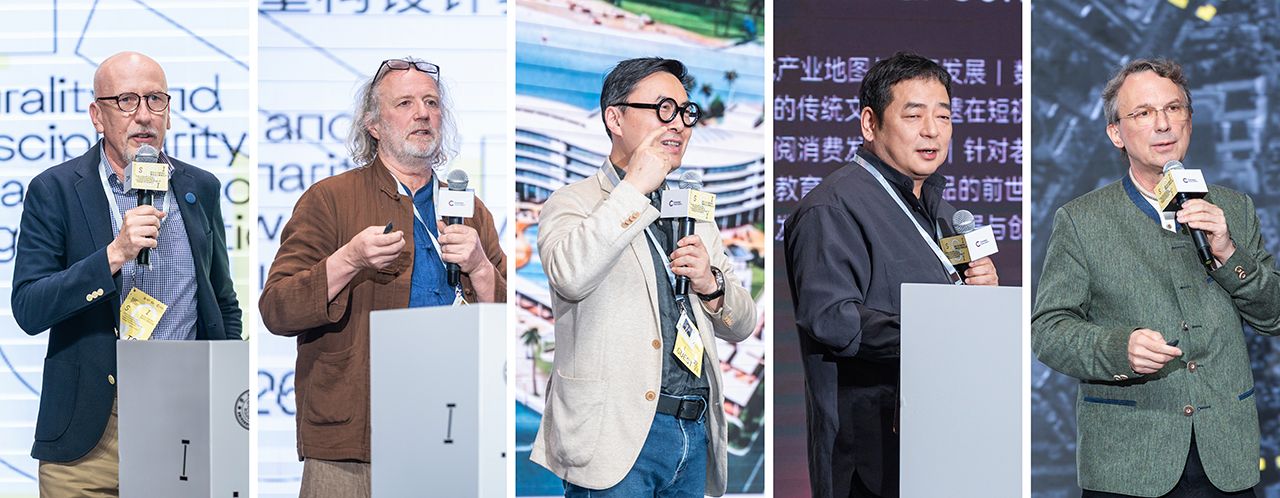
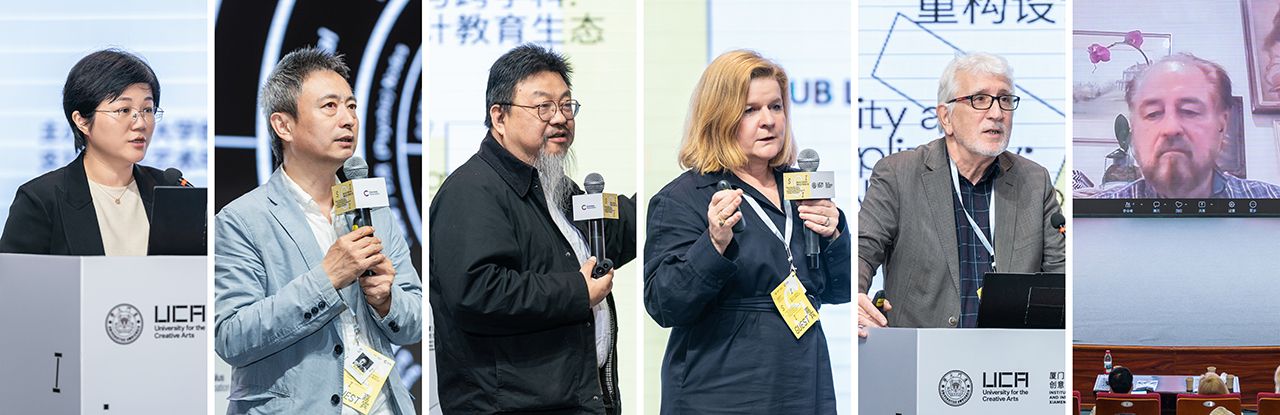
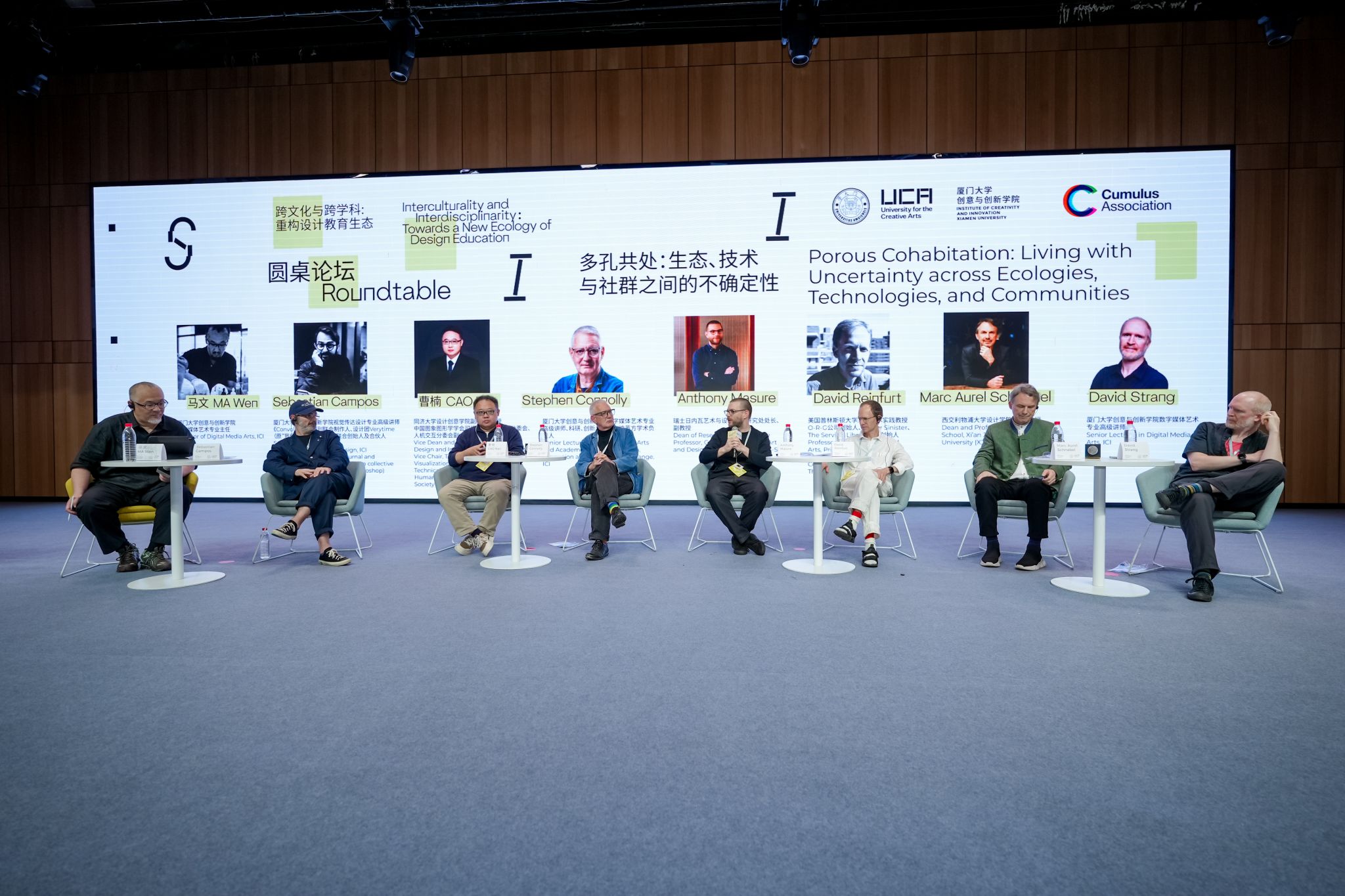
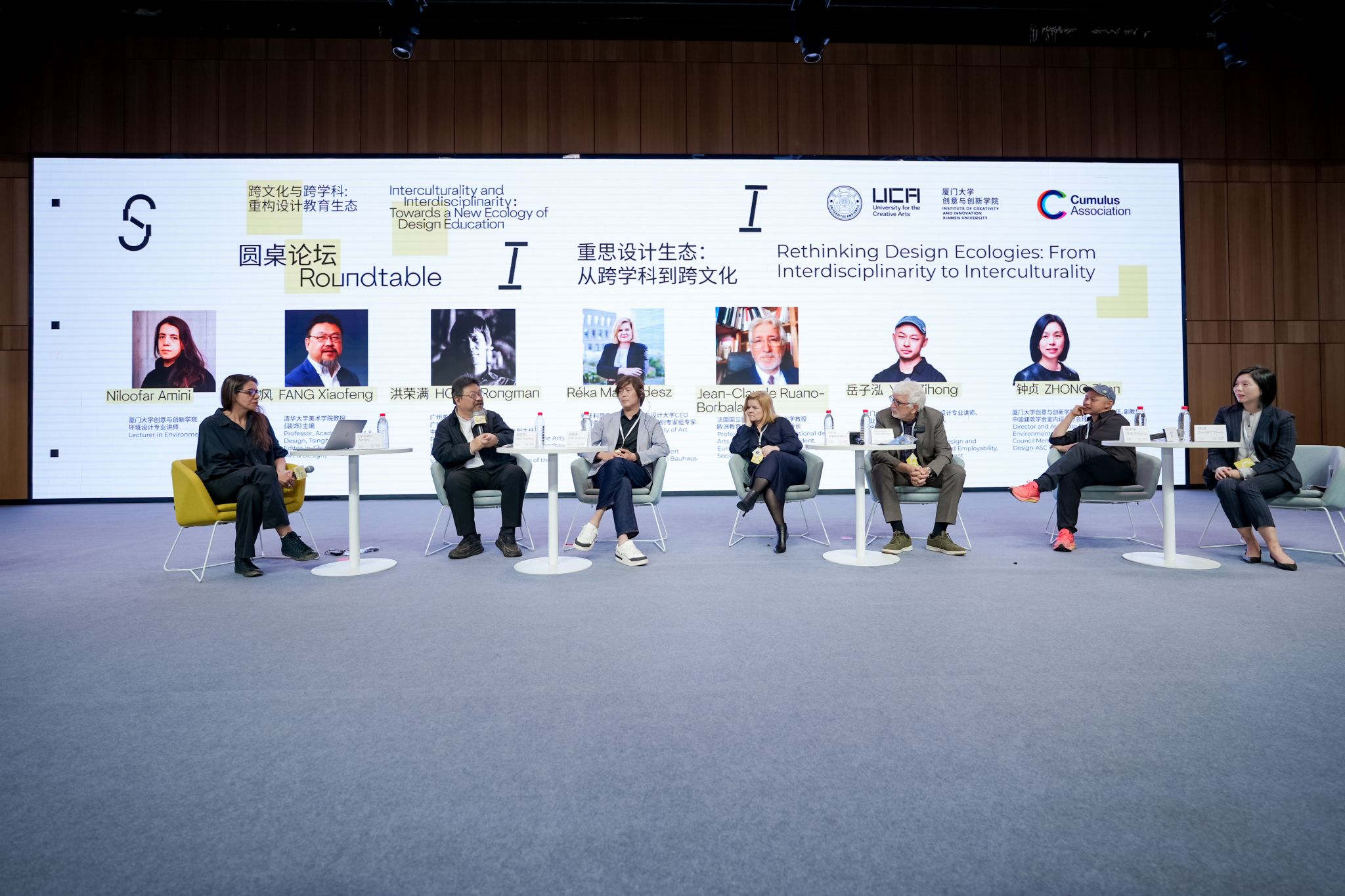
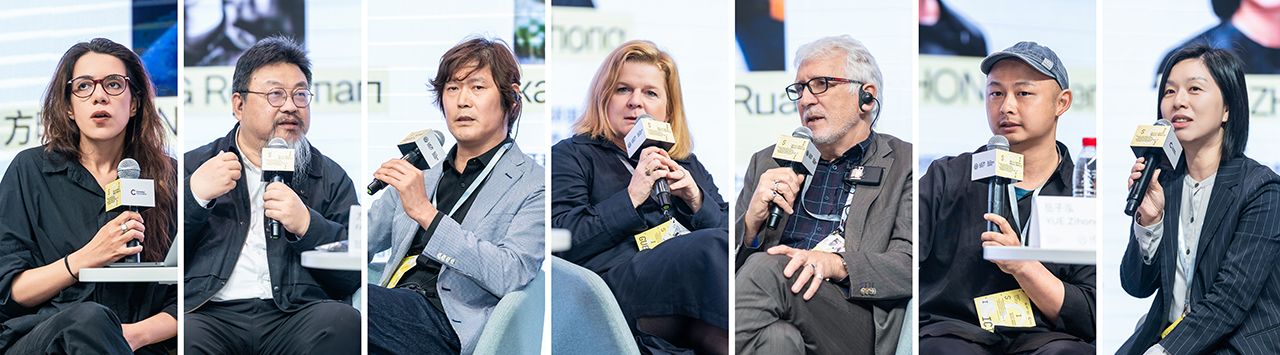
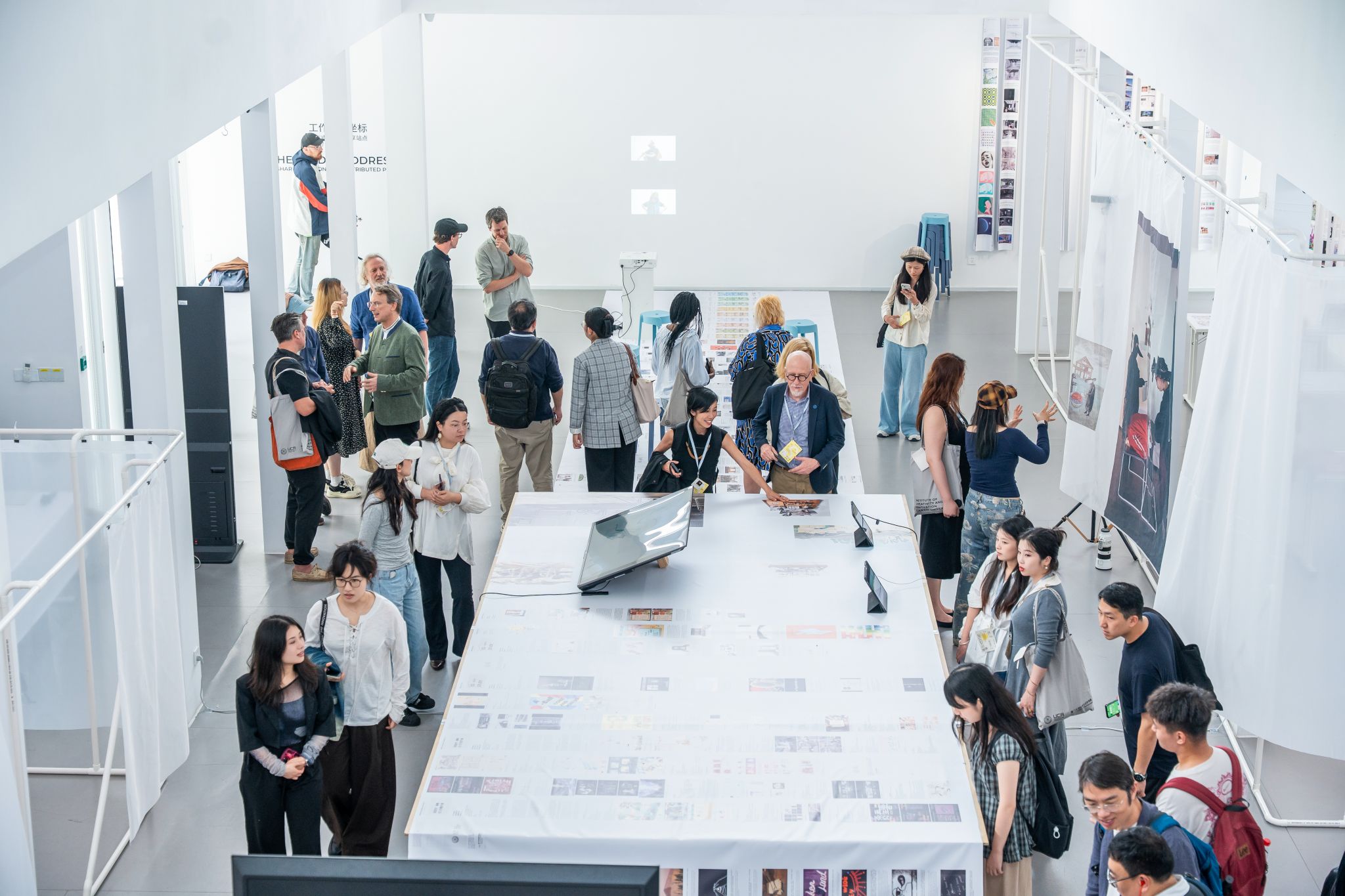
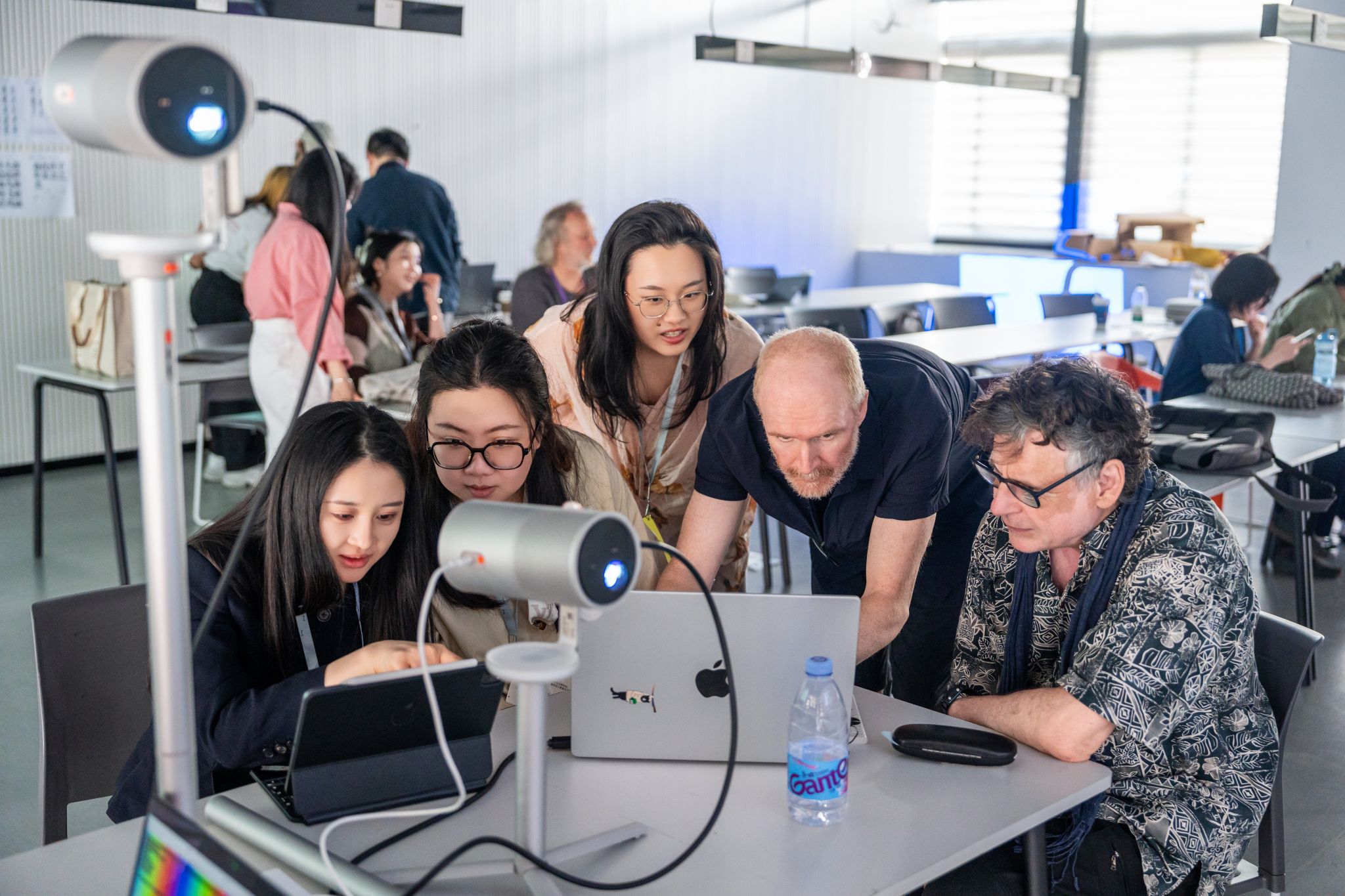
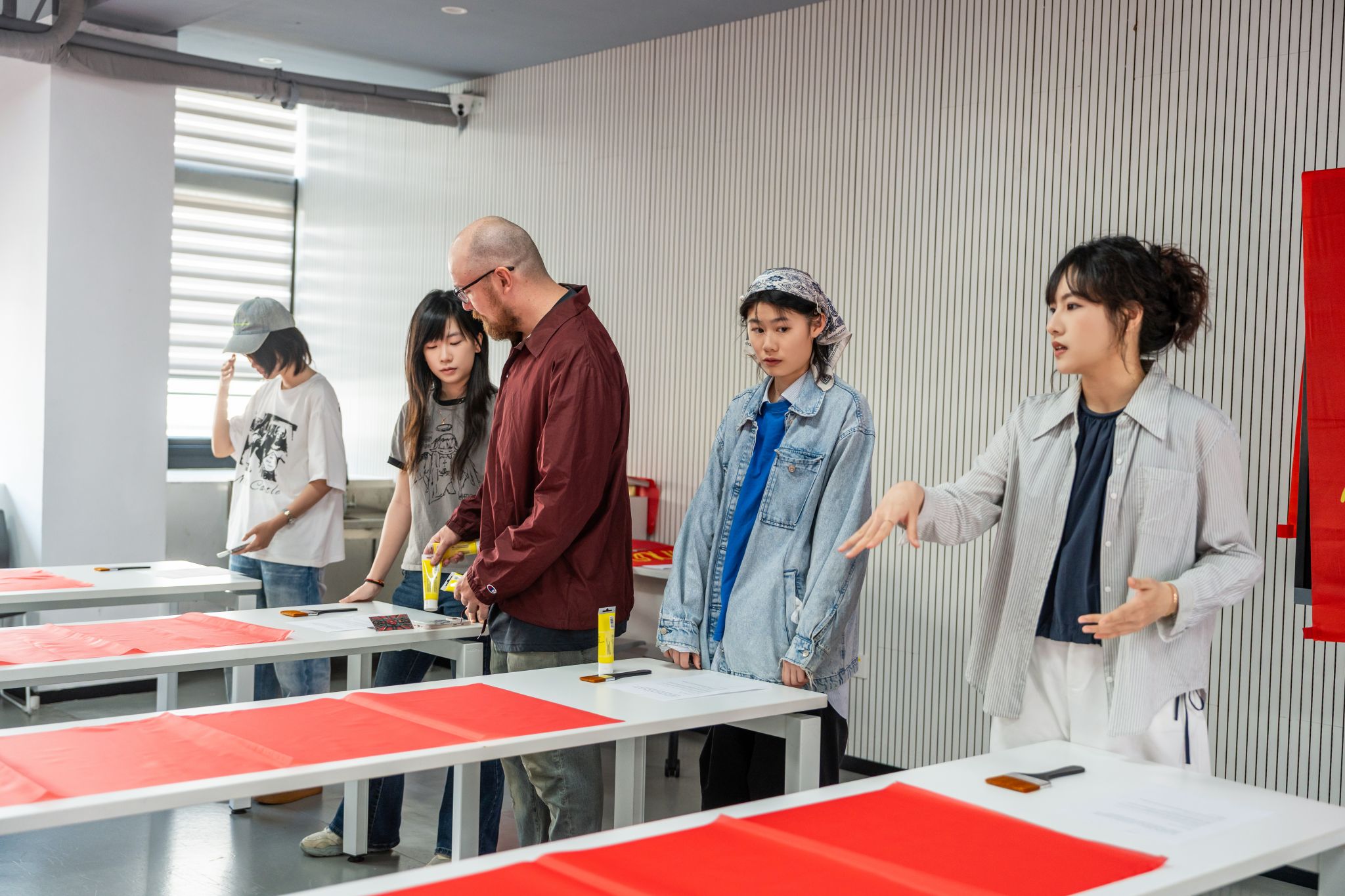
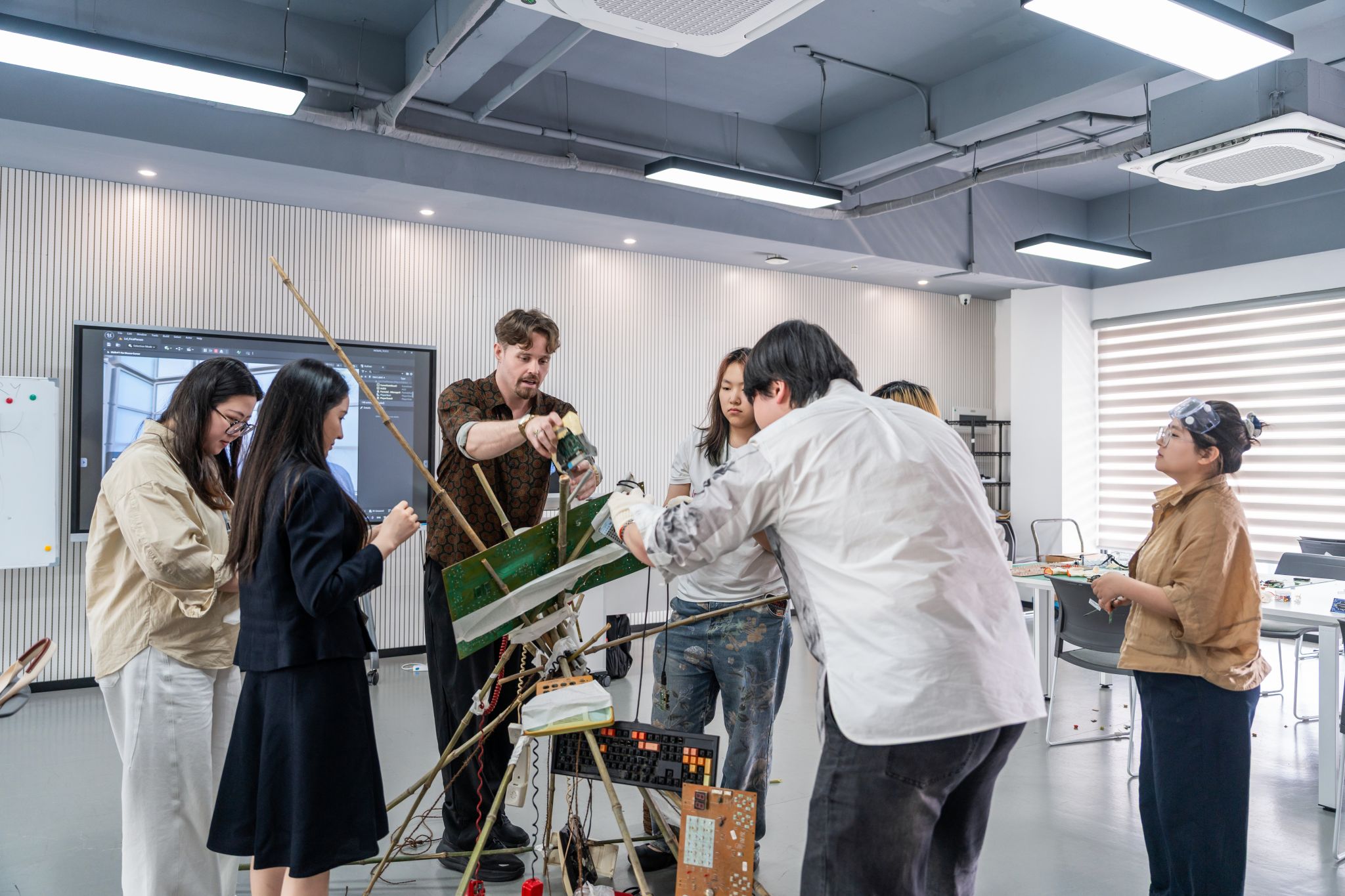
Concurrent with the symposium were two roundtable discussions titled “Porous Cohabitation: Living with Uncertainty across Ecologies, Technologies, and Communities” and “Rethinking Design Ecologies: From Interdisciplinarity to Interculturality”—along with four workshops and the exhibition “Studio Addresses: A Shared Station for Distributed Practice.” Together, they created a rich academic feast characterized by the collision of ideas and the convergence of wisdom.