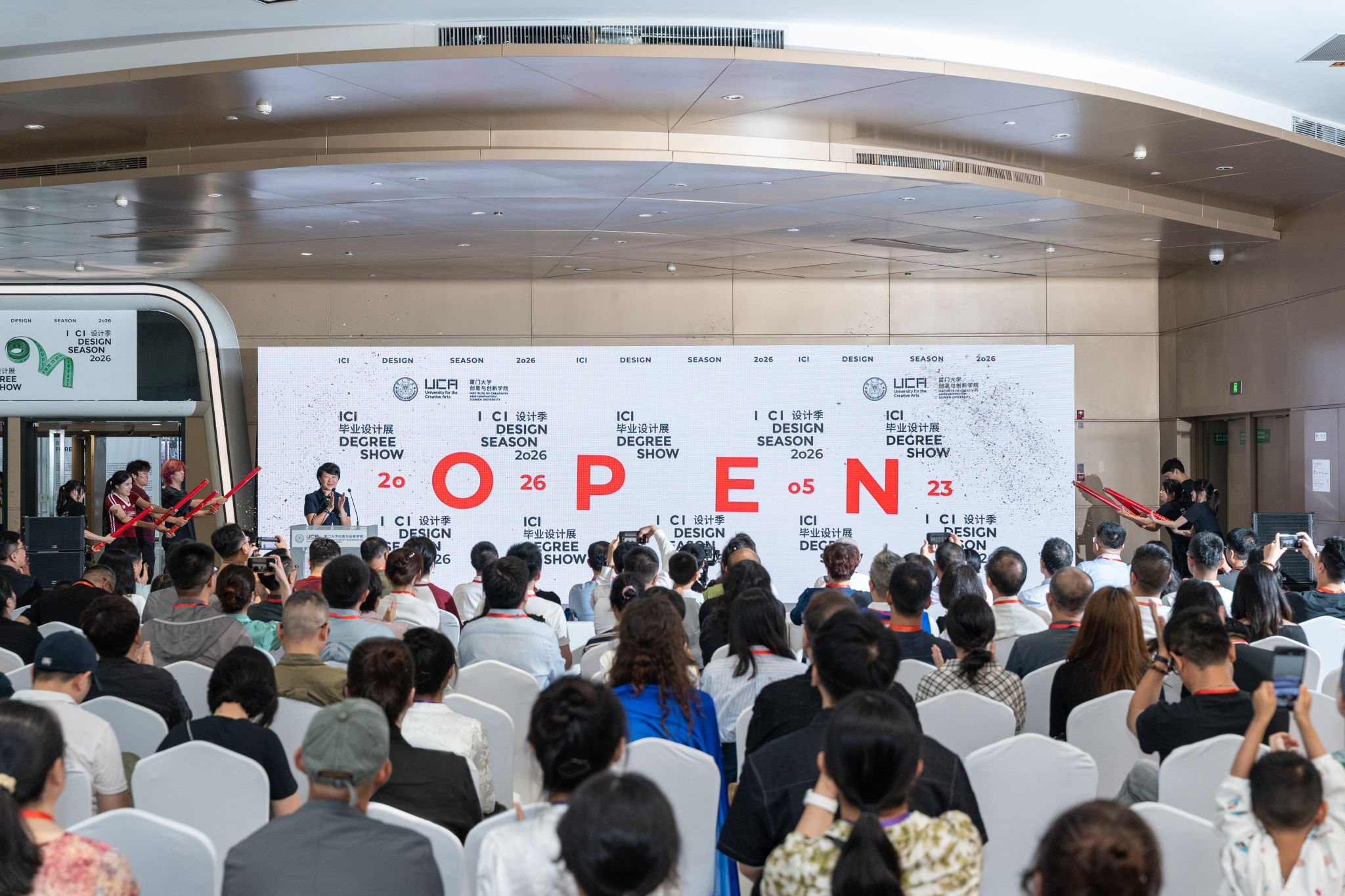
On May 23, the opening ceremony of the 2026 Degree Show of the Institute of Creativity and Innovation (ICI), Xiamen University (XMU) was held at Xiamen Fliport C & E Center, marking the beginning of the "ICI Design Season·2026". Guests attending the ceremony included JI Rongrong, Assistant President of XMU; YU Hao, Deputy Director of Xiamen Municipal Bureau of Commerce; ZHANG Jianbin, Director of China (Xiamen) International Investment Promotion Center; CHEN Liling, Deputy Chair of Xiamen Convention and Exhibition Association; along with officials from relevant departments of Xiamen City, Zhangzhou Development Zone, Fuding City, Dehua County, and Liancheng County, representatives from peer universities and industry partners, colleagues from XMU’s administrative and academic units, media, and other guests from both the university and wider community. The event was also attended by the leadership team of the Institute, faculty representatives, and the graduating class of 2026. The opening ceremony was hosted by Wang Yi, Chair of the ICI Council.
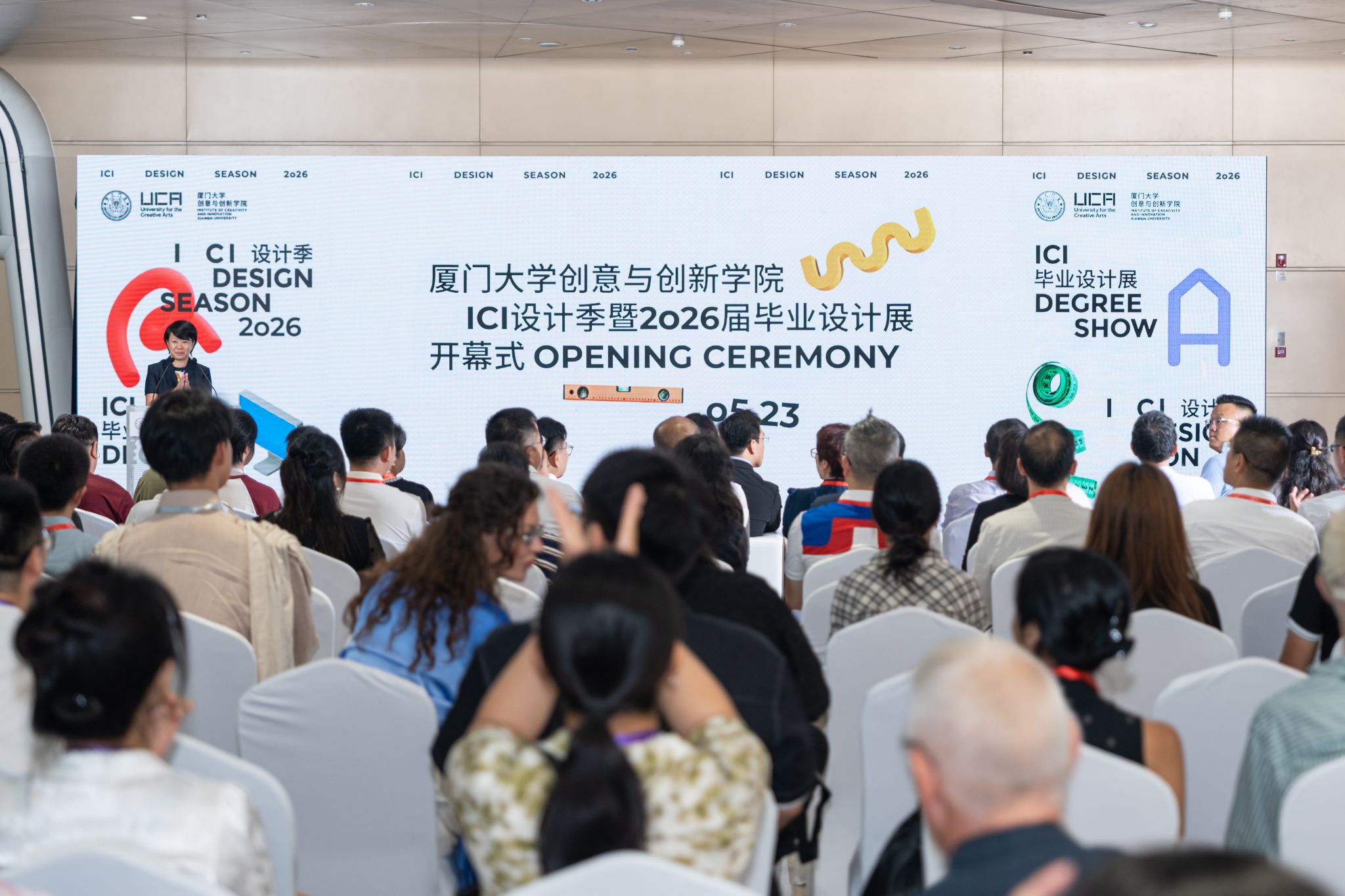
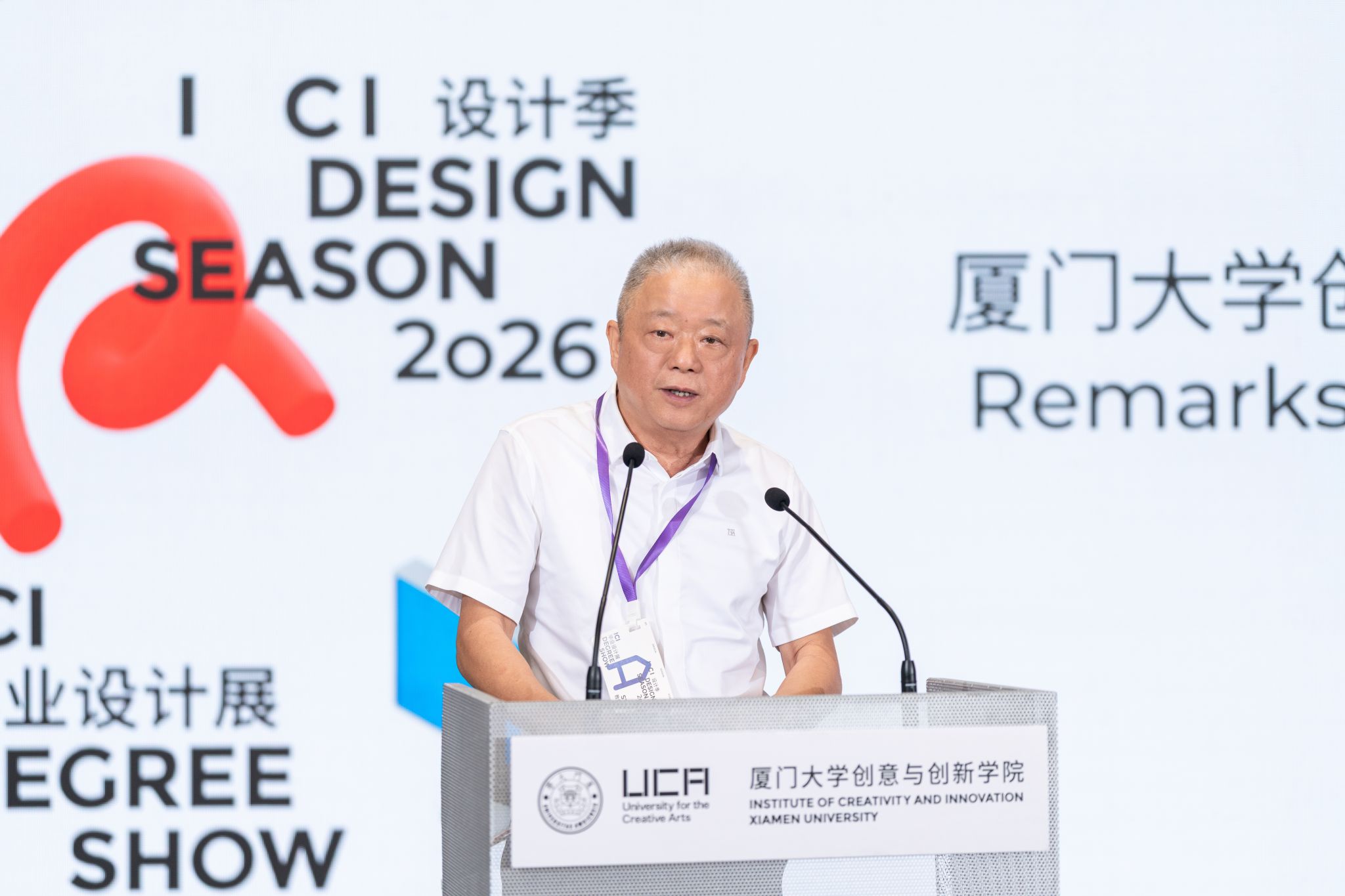
Professor JI Rongrong, Assistant President of XMU, on behalf of the university, expressed gratitude to all the leaders and friends from various sectors who have long cared for and supported the development of XMU. He highly affirmed the achievements of ICI — the first Sino-foreign cooperative education institution in the university’s history of over a century — in effectively integrating the advanced educational concepts and resources from both China and the UK, cultivating high-caliber talents competitive in the global job market and well-prepared for further academic pursuit, and deeply engaging in local and regional development. At the same time, he encouraged the prospective Class of 2026 to always maintain a strong sense of curiosity and innovation, dare to take risks and create, dare to strive and win, remember their identity as Xiamen University students, and apply their knowledge to benefit society.
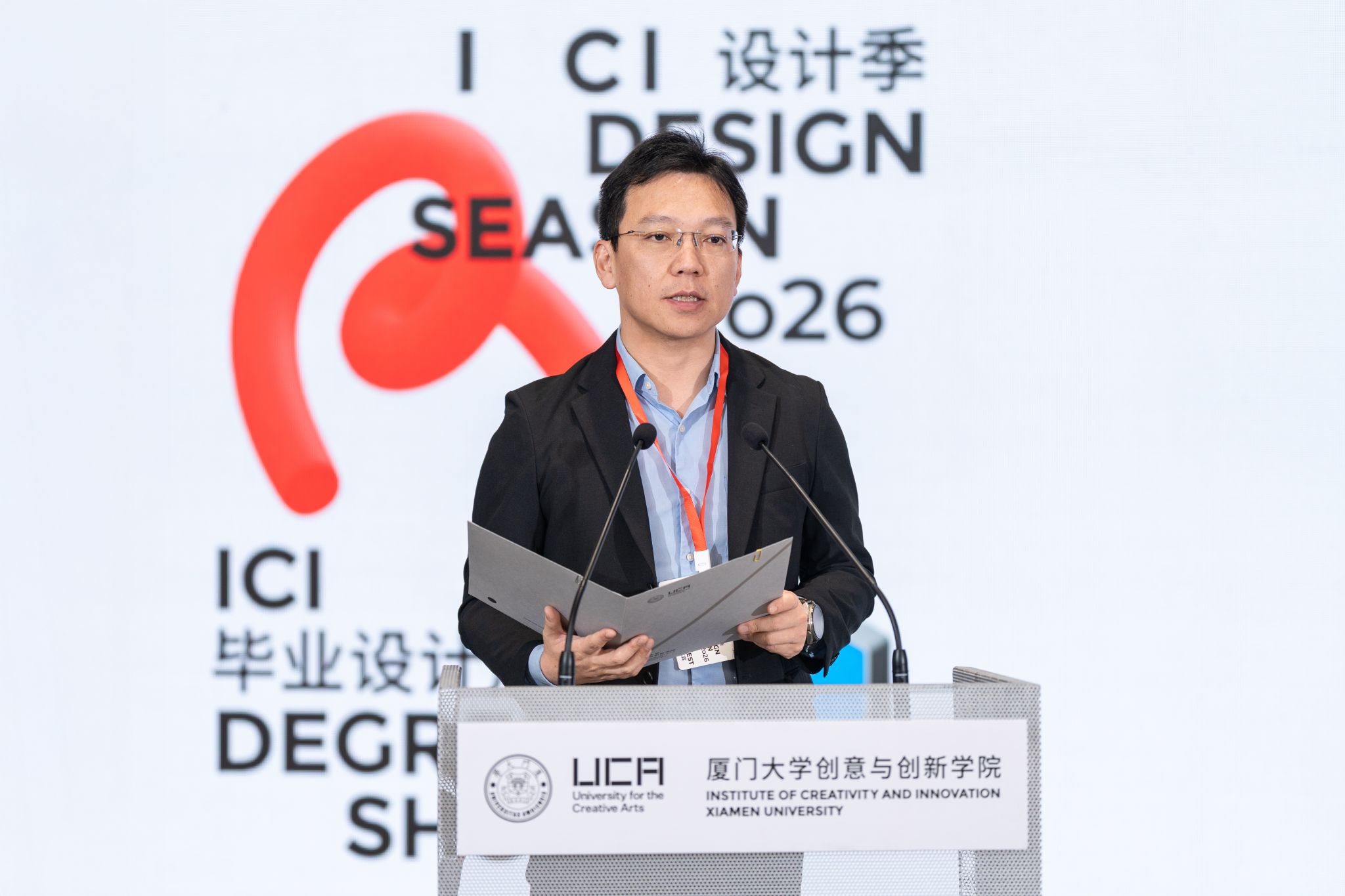
Professor QIN Jian, Dean of ICI, noted in his address that in today’s era of profound technological and industrial transformation, design is playing an increasingly vital role as a bridge — connecting technological innovation with humanistic care, and integrating aesthetic ideals with real-world needs. The Institute has seized this development opportunity by adopting a series of innovative and inclusive reform measures that draw on the strengths of both XMU and UCA, creating a brand-new teaching and research platform dedicated to cultivating creative design talents. The graduating students, nurtured on this innovative platform, have engaged with social issues with keen insight, articulated their understanding, predictions, and imagination of the present and future with great creativity, and continually pushed the boundaries of intercultural and interdisciplinary design — questioning its very essence while creating possibilities in the realms of cross-cultural and interdisciplinary design. He expressed his pride in the achievements ICI students have made over the past four years of diligent study.
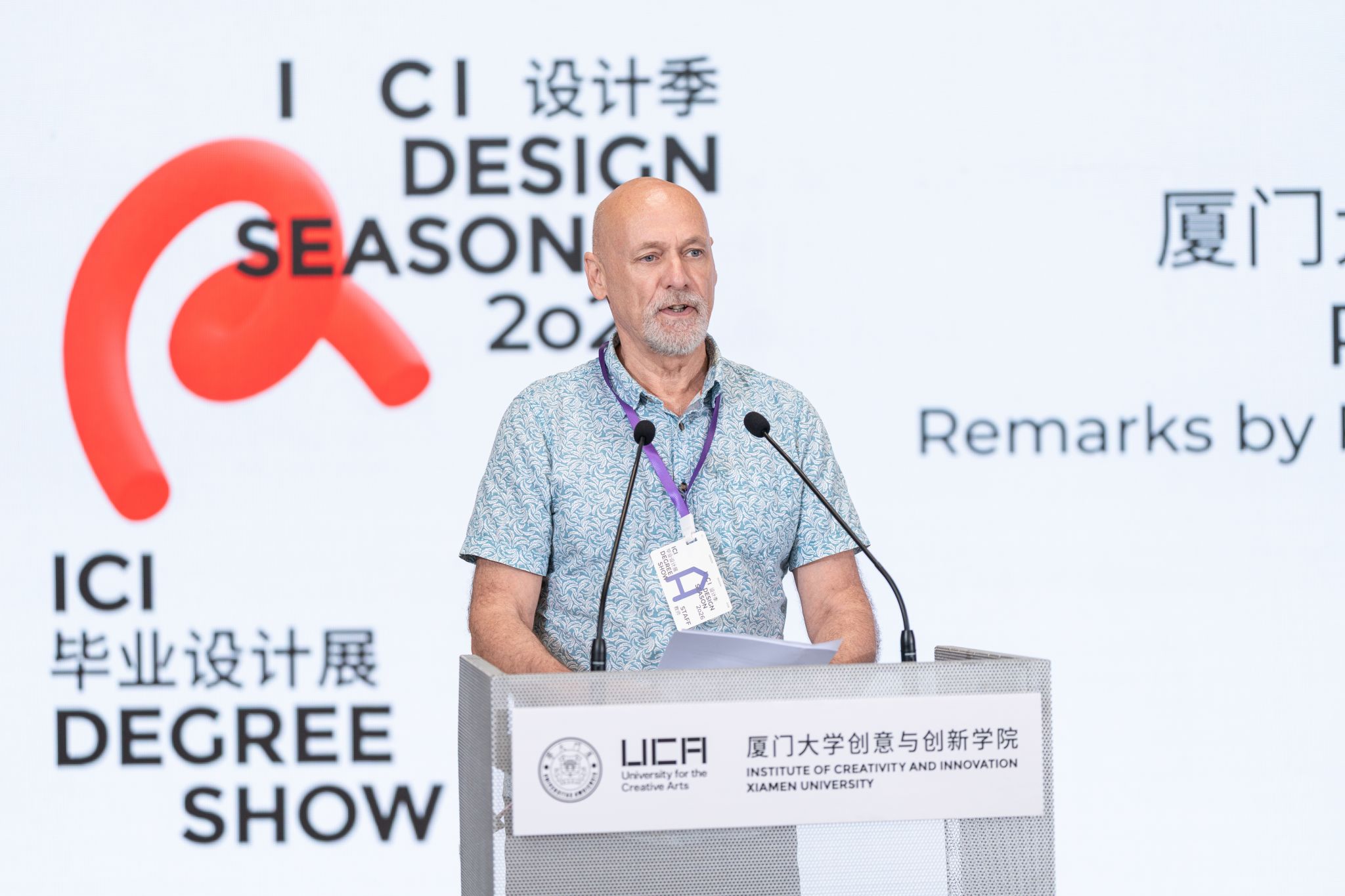
Professor Philip Lambert, Associate Dean of ICI, remarked in his address that creativity is not merely a form of artistic expression, but a practical way of active thinking and problem-solving that requires curiosity and cross-disciplinary collaboration. Cooperation is the very source of creativity. The Institute, jointly established by XMU and UCA, stands as a prime example of deep collaboration — bridging differences in culture, pedagogy, and perspective, and demonstrating that diversity brings rich creativity. He further observed that students at the Institute, guided by a faculty team from 18 countries, have learned to collaborate across languages and disciplines, growing into creative talents with strong communication skills and a global outlook. The core of this Degree Show, he noted, is a collective showcase of the creative journey of 250 graduating students and the achievements they have made over the past four years. He also expressed his gratitude to industry partners for their support and encouraged the graduates to remain curious, to embrace creativity as a way of life, and to continue innovating through future collaboration.
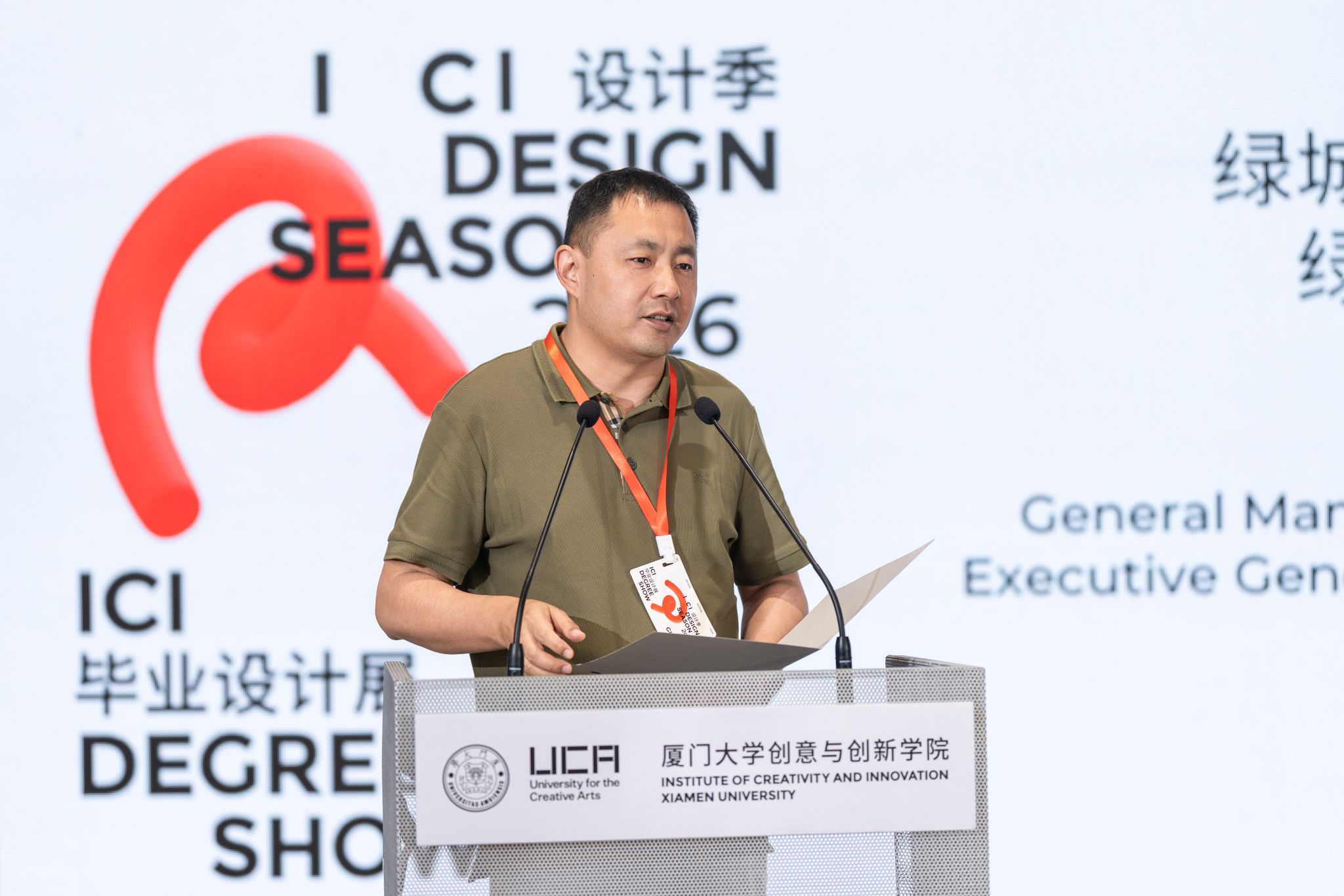
Mr. Wang Jiadong, General Manager of the Industrial Management Center of Greentown China, reflected on the successful partnership with ICI. He described education-industry collaboration as a rewarding two-way journey — one in which the university gains practical insights and a testing ground, while the enterprise continuously accesses fresh and cutting-edge creative inspiration. Looking forward to deeper and more multi-faceted collaboration with the Institute, he expressed his belief that young designers are fully capable of bringing poetic imagination and creating value across the vast urban-rural landscape, so that every "good idea" can truly take root and flourish in service of a better life.
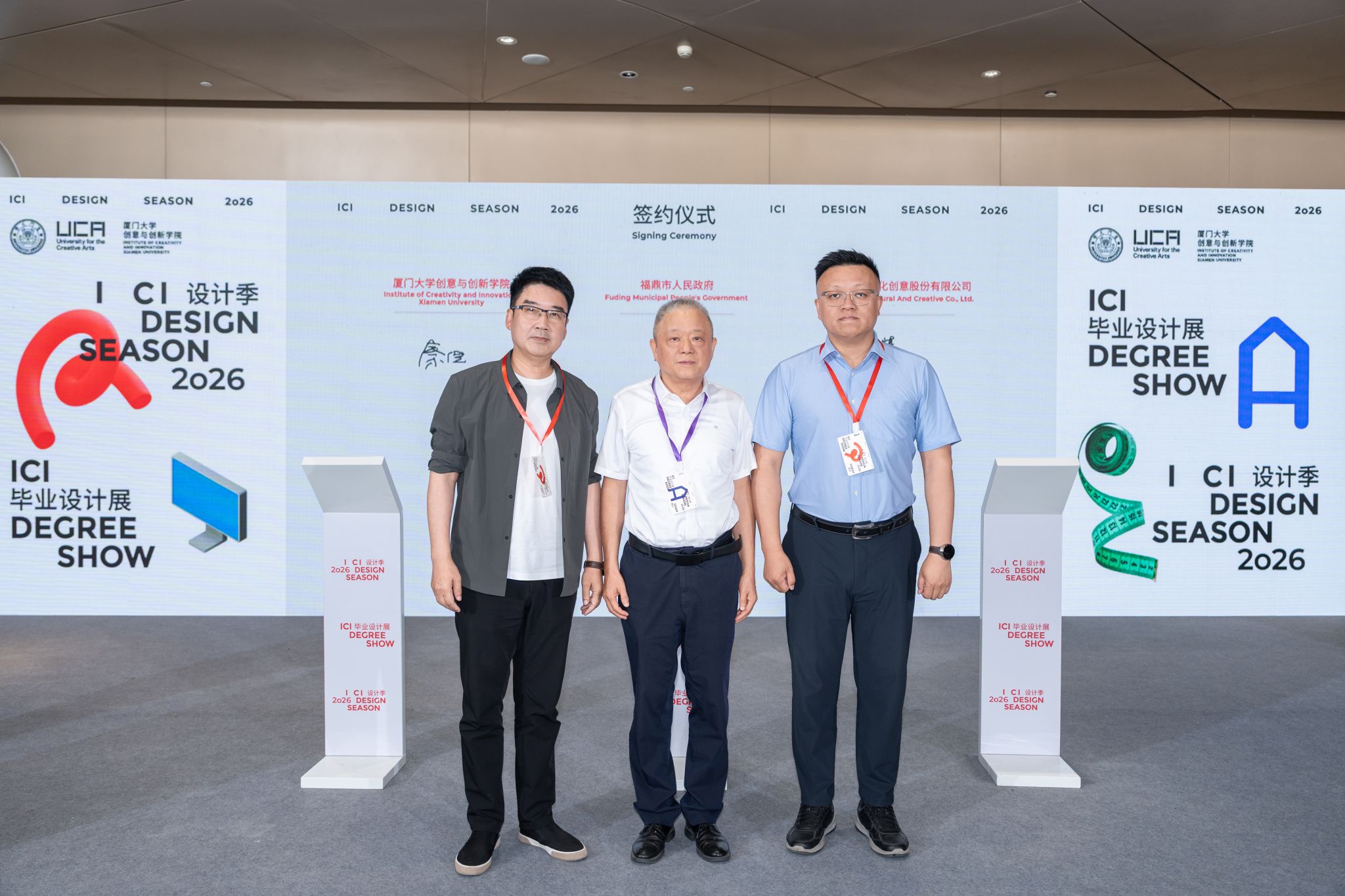
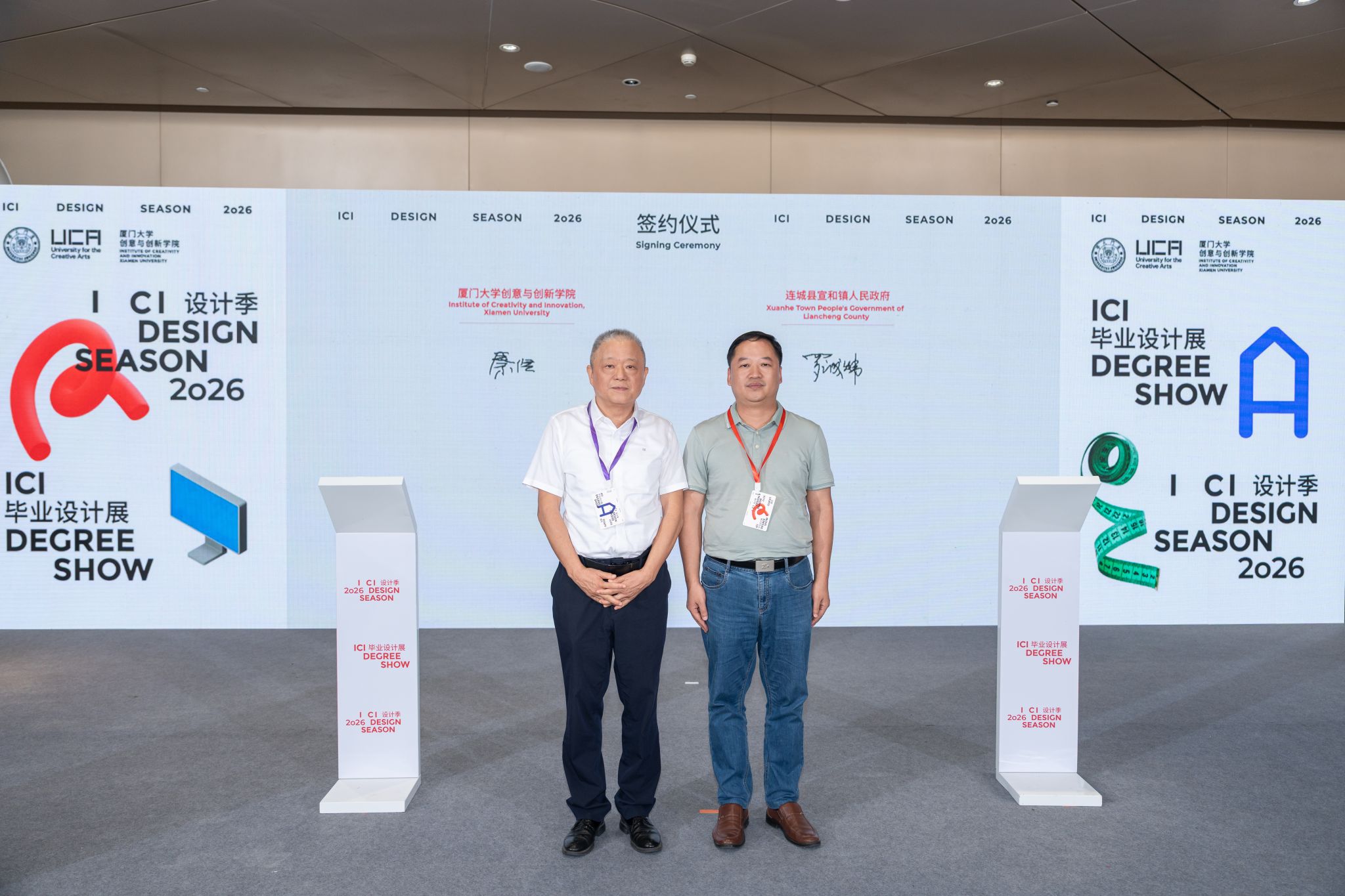
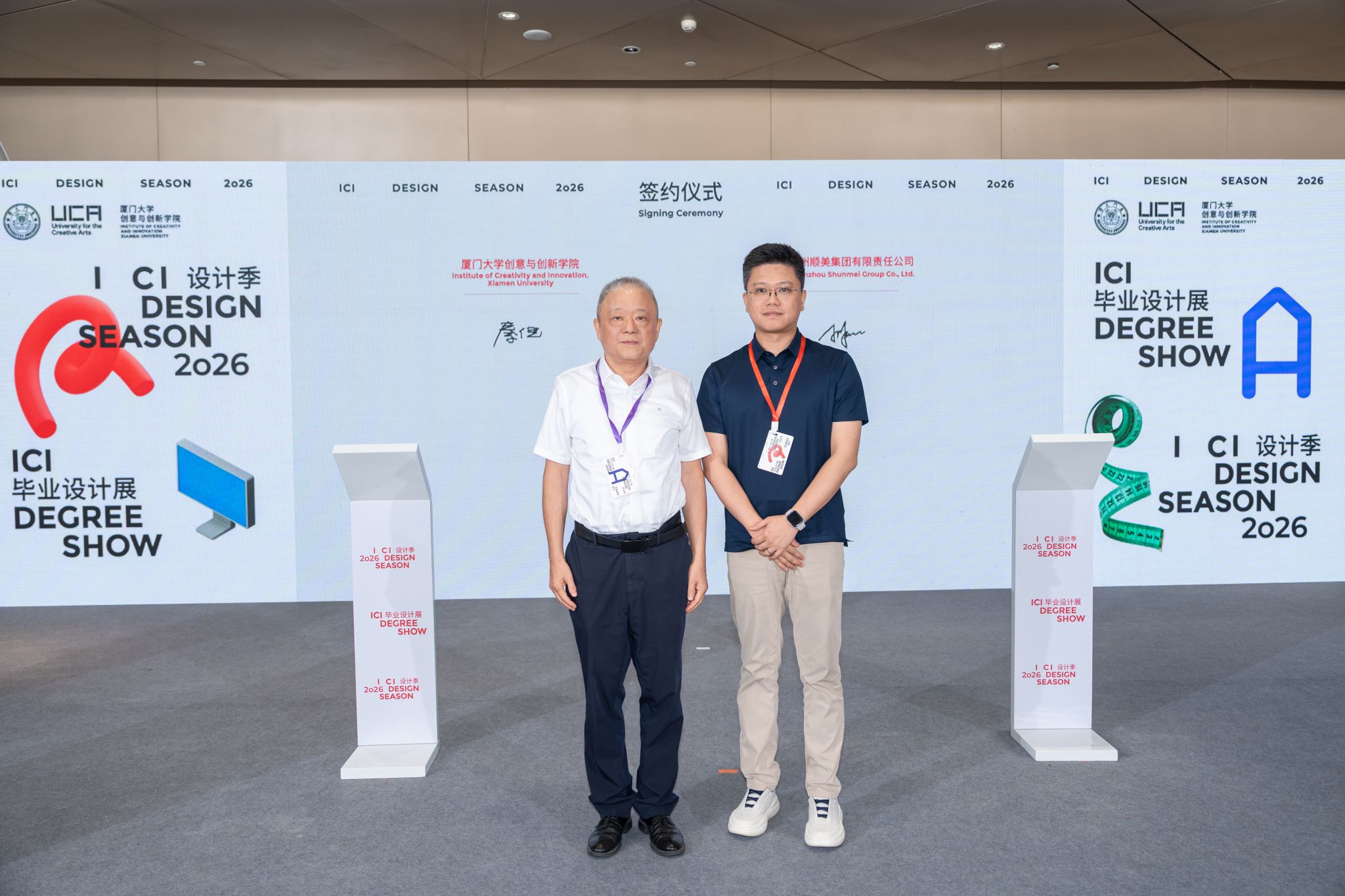
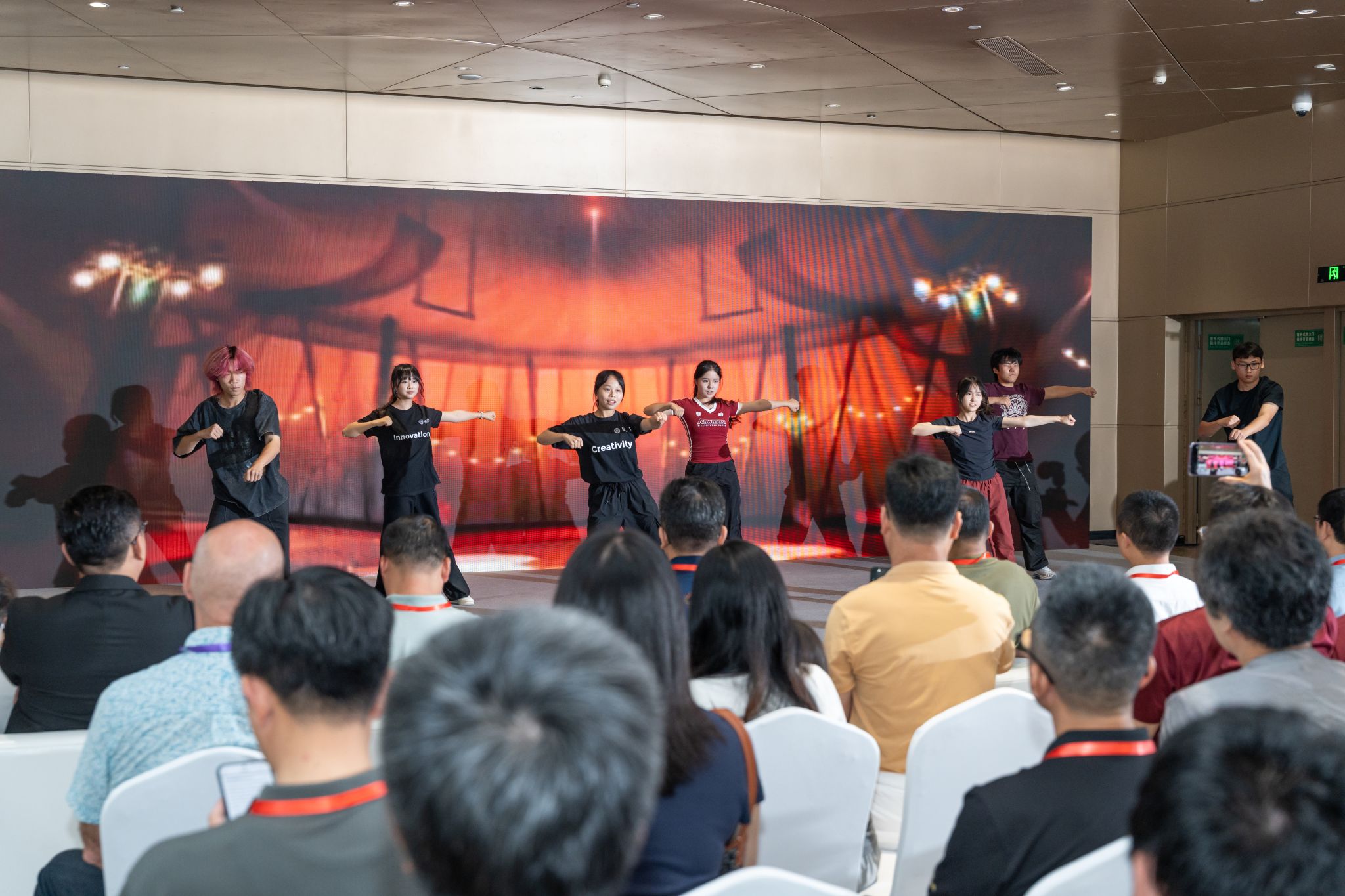
Following the speeches, the Institute signed cooperation agreements separately with a range of government and business entities, including Fuding City, Eagle Cultural and Creative Co., Ltd., Fuding, Xuanhe Town (Liancheng County), Fujian Quanzhou Shunmei Group Co., Ltd., Red Dot Design (Xiamen) Brand Operation Co., Ltd., and Three Shadows Xiamen Photography Art Centre, to work together for a brighter future. Subsequently, faculty and students of ICI delivered an energetic opening performance. Upon its conclusion, Wang Yi officially announced the opening of the Degree Show.
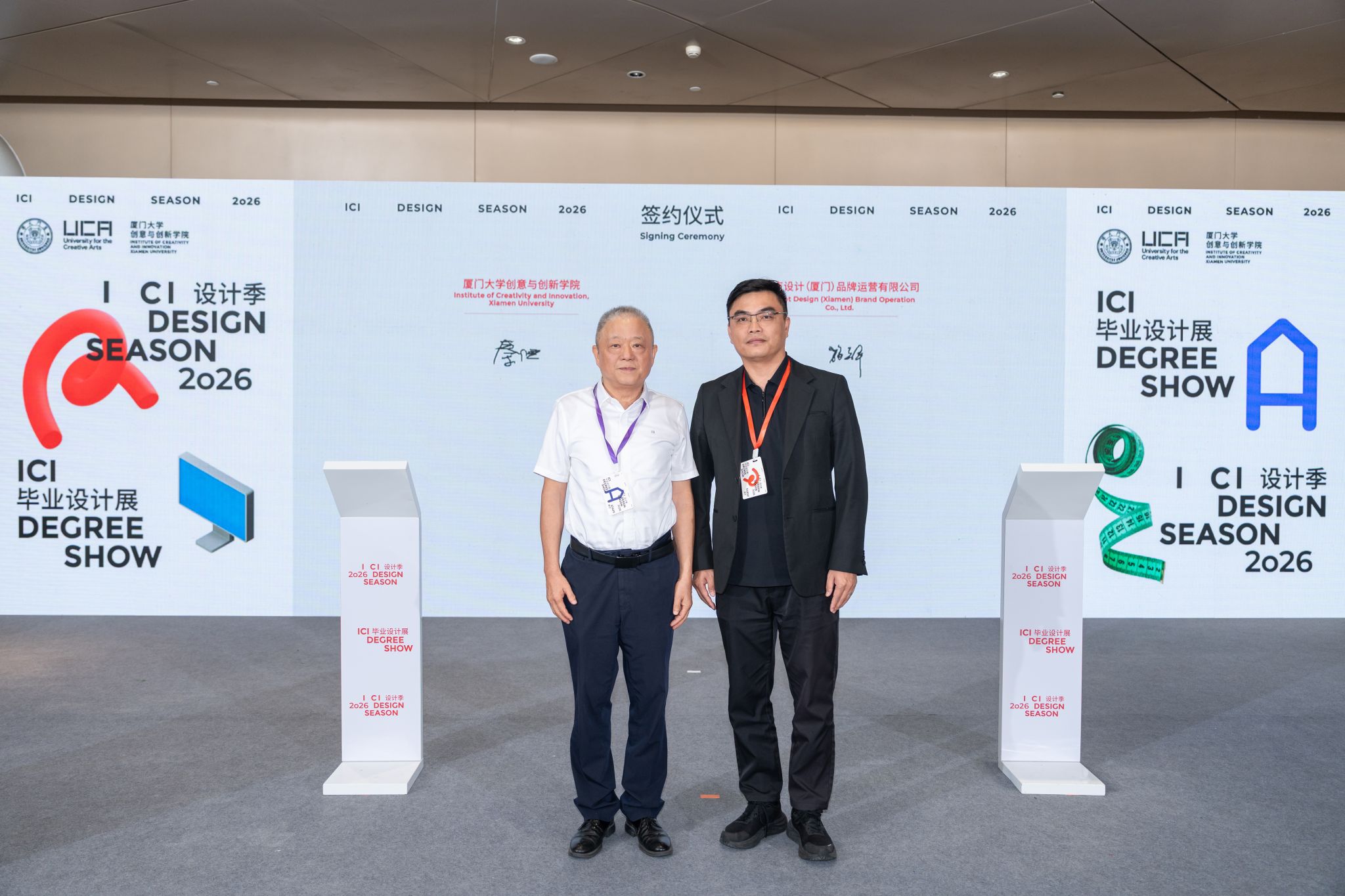
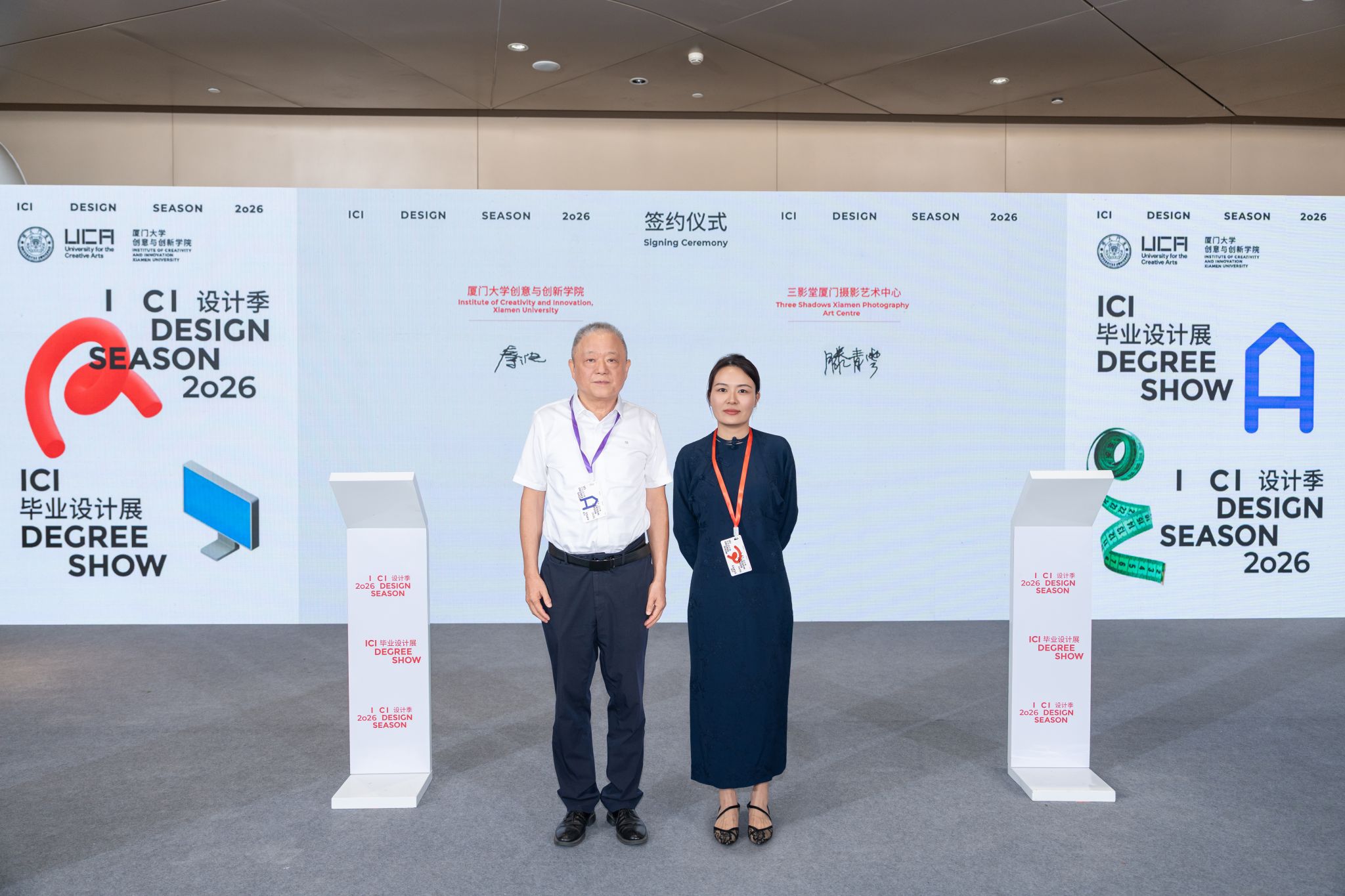
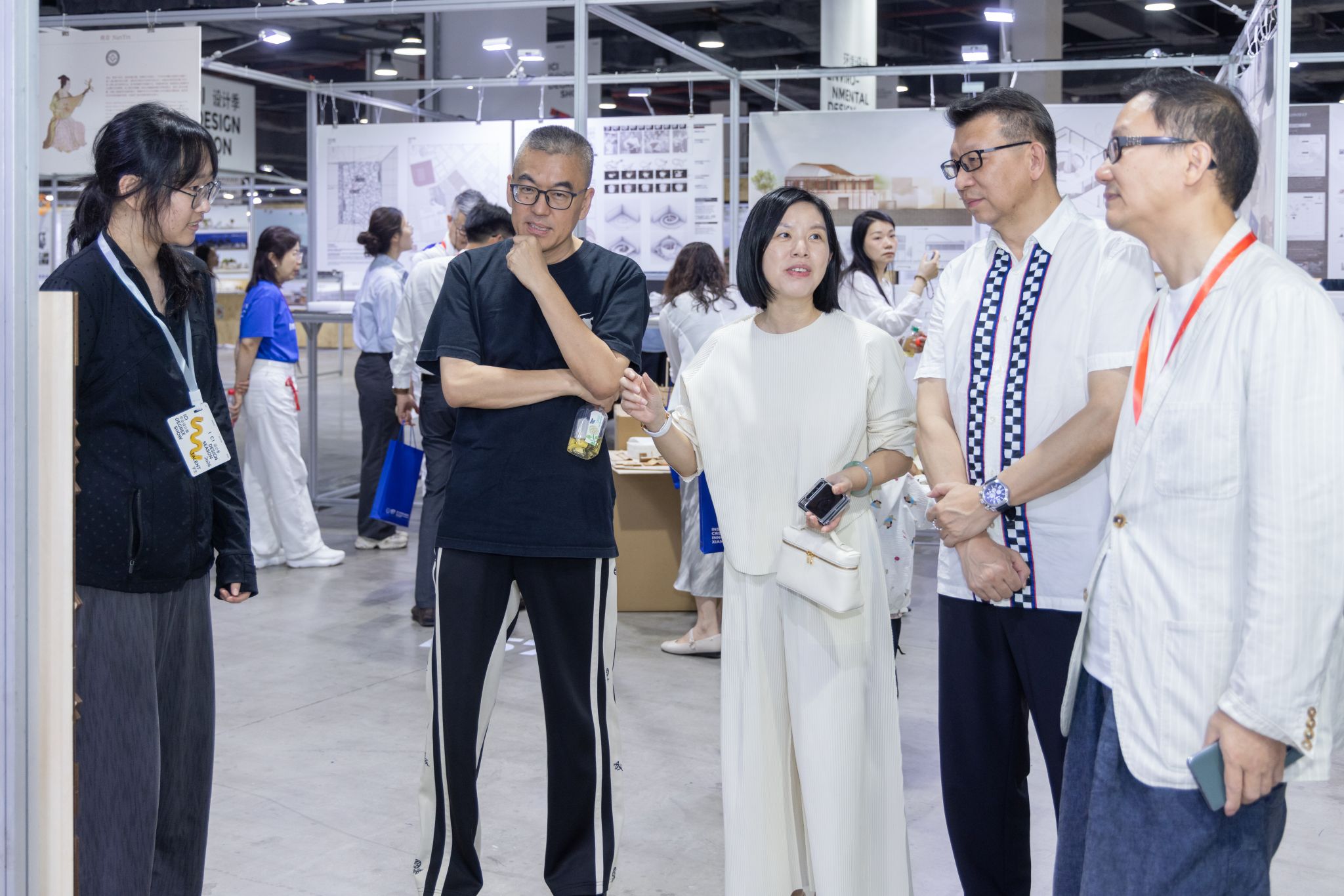
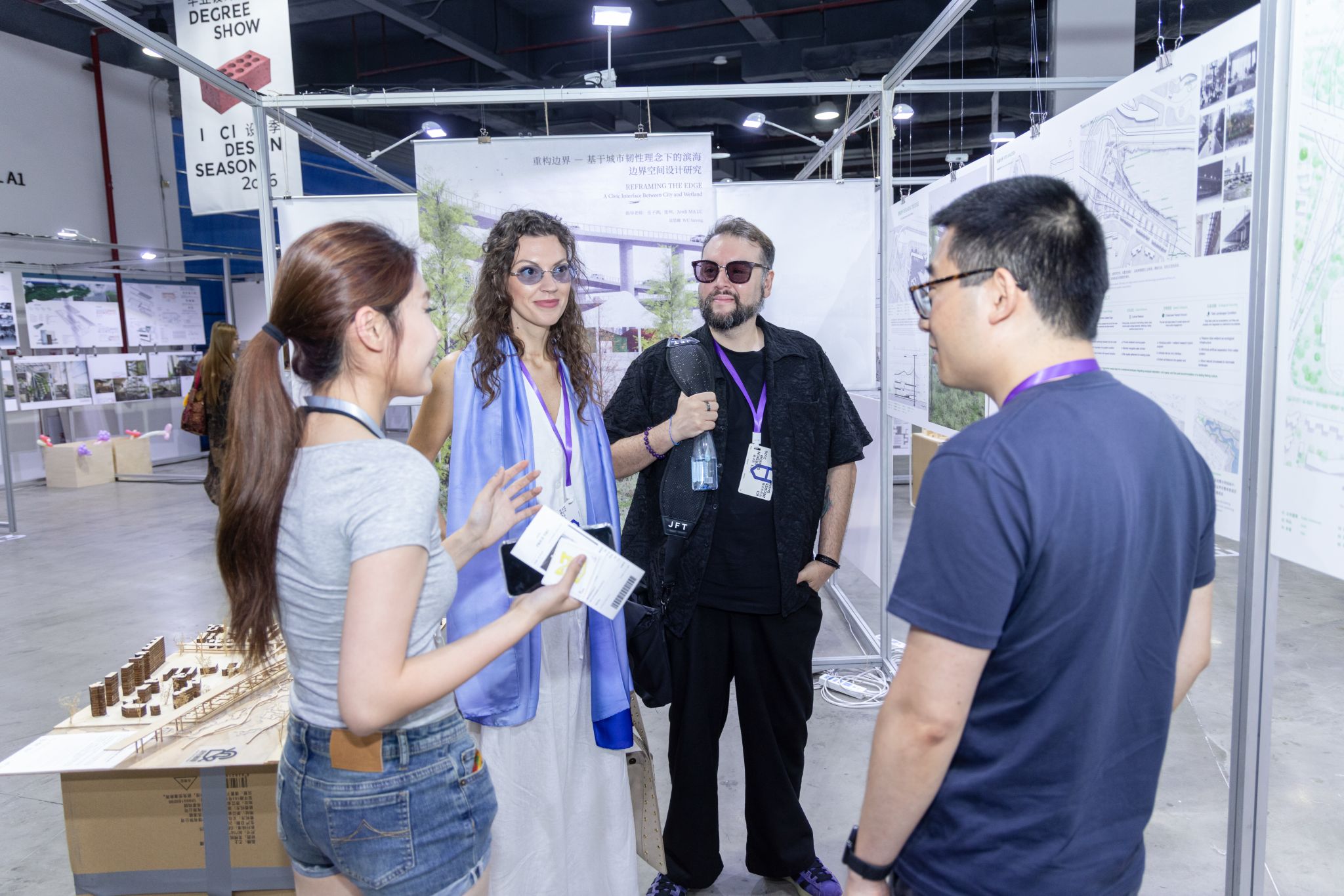
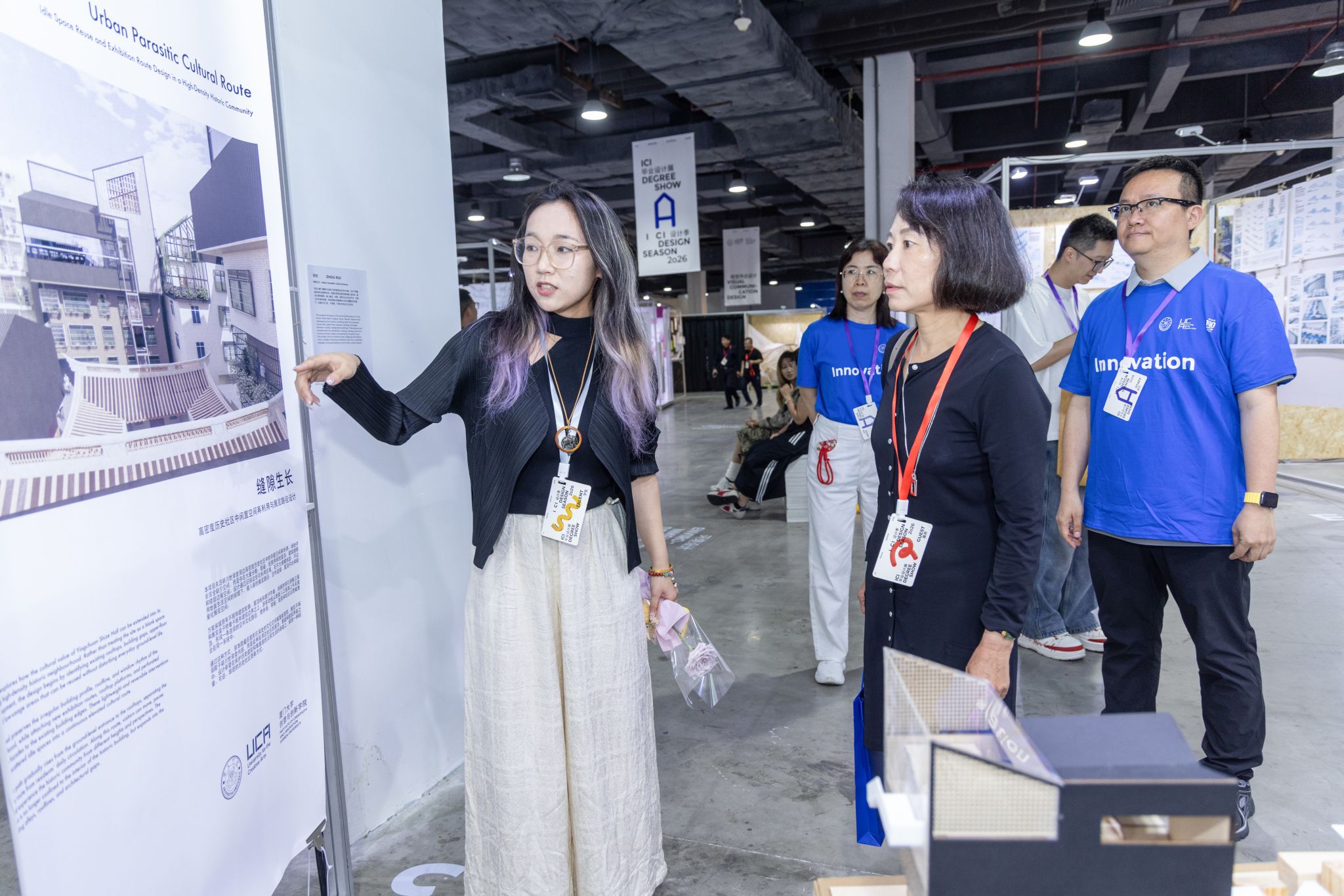
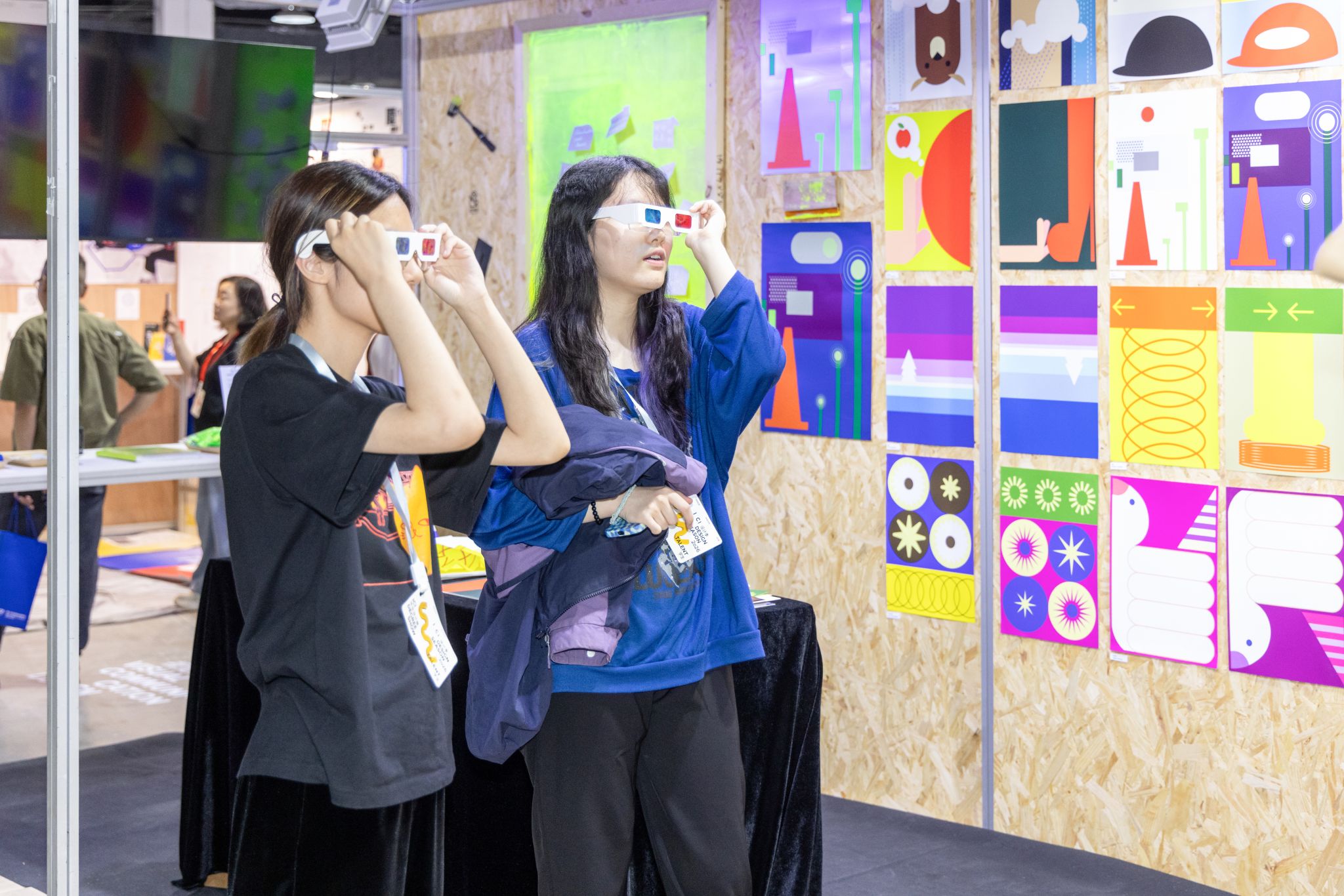
After the opening ceremony, the attending guests viewed the Degree Show together, and engaged in in-depth conversations with faculty and students. The exhibition featured over 200 final design projects by the prospective Class of 2026 majoring in Visual Communication Design, Environmental Design, and Digital Media Arts. These works not only represent the culmination of their four years of study but also demonstrate that the value of design extends far beyond aesthetics — serving as creative practices that respond to the real-world needs with an innovative attitude.
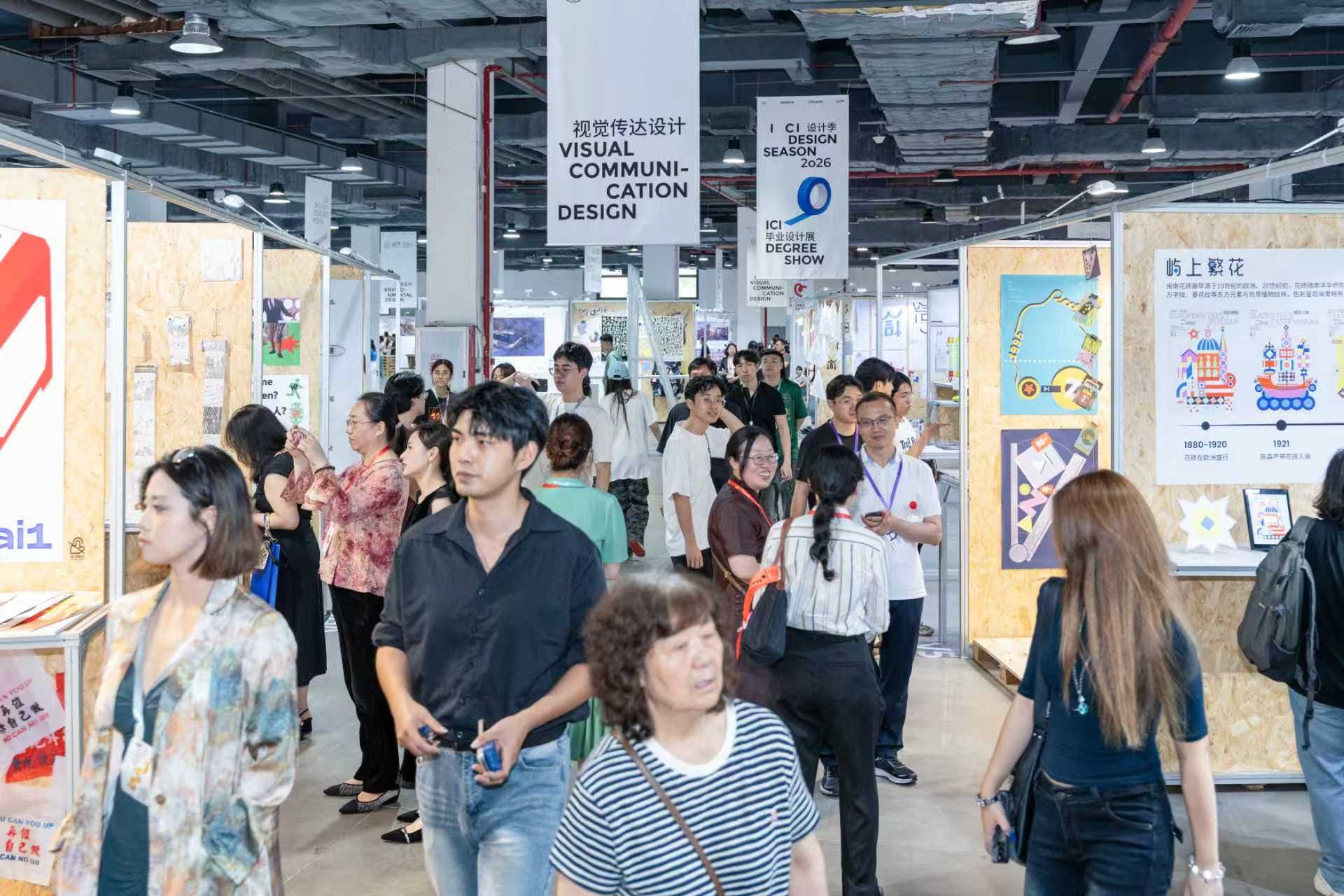
As the core unit of "ICI Design Season 2026", the Degree Show will continue through June 1, with opening-week events including a series of themed workshops, public guided tours, creative sharing sessions and so on. The Design Season will also feature four parallel exhibitions, to be held from June 5 to July 13 at venues including the ICI OPEN Museum, Three Shadows Xiamen Photography Art Centre, Xiamen Powerlong Art Center, and HUAMEI PARK. Together, these exhibitions will present over 300 works, comprising not only graduation projects but also coursework from various years.
Through this annual event, ICI aims to bring design out of campus and into society, interacting with urban renewal, rural revitalization, creative industries, and the development of AI technology. It aims to showcase to society the innovative design achievements completed, about to be completed, and yet to be completed by the ICI students, embodying the advanced educational and teaching philosophy of the ICI, which is based on cultivating design talents with global vision, creative and innovative literacy, and talent.
Voices from Faculty and Students
MA Wen, XMU Director of Digital Media Arts
In an era where algorithms are reshaping perception and generative models are rewriting the creative process, the second cohort of Digital Media Arts graduates have delivered a thought-provoking response. Their works engage with a range of issues — AI and subjectivity, the fluidity and reconstruction of digital identity, the emergence of mediatization of ecological crises, and the blurring boundaries between the virtual and the real. Yet what stands out even more is the shared attitude beneath the surface of their works — they are not eager to become skilled users of technology, but rather willing to become its questioners. This aligns with the educational vision ICI has upheld over the past four years: we aim to cultivate not those who can answer existing questions, but those who can identify which questions truly matter. The real value of Sino-foreign cooperative education lies precisely at the intersection of different systems — where students come to realize that any single framework has its limits. Their works represent a sober and restrained dialogue between the graduates and an era of transformation.
Ana Menezes, Senior Lecturer in Visual Communication Design
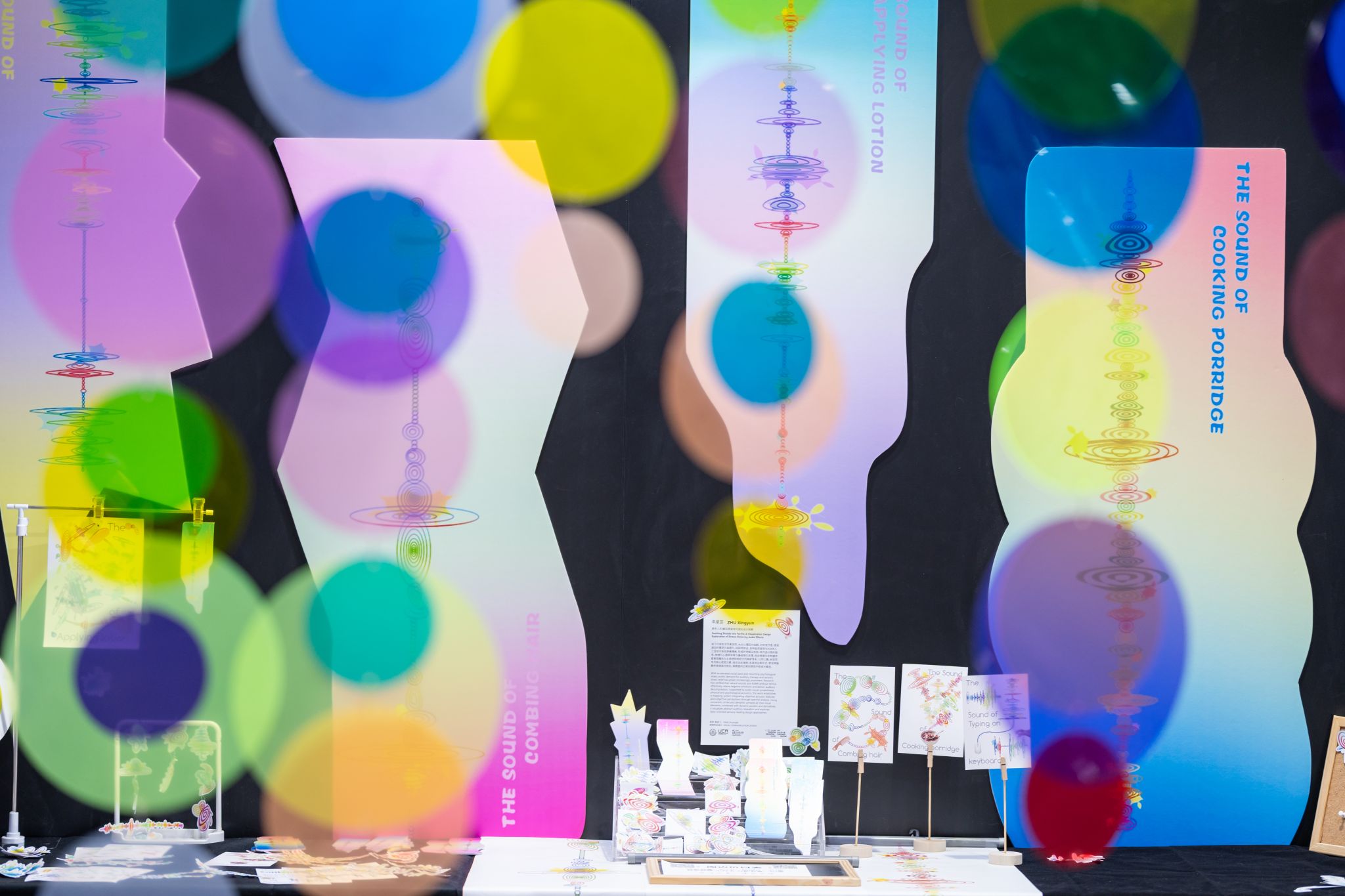
The Graduation Show marks the completion of four years of creative exploration, experimentation, and development. Through illustration, typography, animation, interactive installations, and digital media, students explore themes connected to heritage, identity, technology, and the experience of their generation. Many projects investigate local culture, dialects, personal histories, and family relationships, translating these experiences into contemporary visual forms and narratives. Alongside this, students reflect on the pressures of navigating an increasingly complex world shaped by information overload, digital behaviour, and shifting social conditions. Several works address mental health, attention, perception, and systems of interaction, while others question the use and design of everyday objects by disrupting familiar affordances and behaviours. Across the exhibition, students demonstrate a strong interest in language, communication, and the relationship between tradition and contemporary life. The Graduation Show showcases a diverse range of perspectives, revealing a generation of emerging designers critically engaging with the challenges and contradictions of the present.
Pierangelo Scravaglieri, Lecturer in Environmental Design
I joined ICI at the beginning of this academic year, so this exhibition feels like a particularly meaningful point of arrival. I have seen some of the uncertainty, effort, humour, pressure and care that sit behind the work, and seeing it gathered here is genuinely moving. What I value most is that the exhibition carries the traces of conversations, revisions, late decisions and small breakthroughs. It is a generous snapshot of students finding their voice, and of colleagues helping them shape it with patience and imagination. I feel very glad to have shared this year with them.
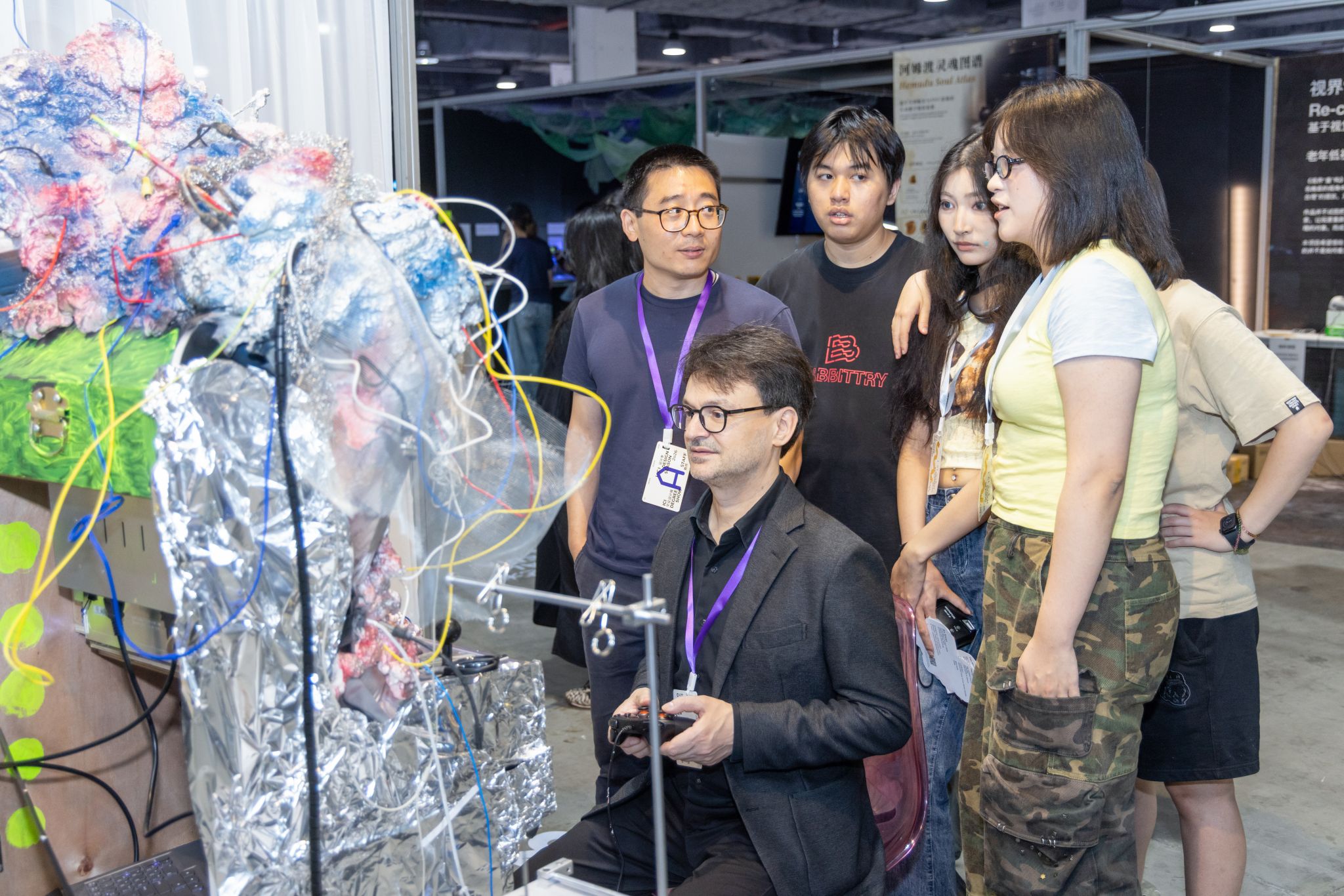
CHENG Ruiyan, Digital Media Arts (Class of 2026): Final Major Project ——An Algorithmic Root-Seeking Ritual for the Diaspora
Using the "Eight-Person Swing" ritual of the Xiangxi Miao Ganqiu Festival as its narrative core, the project constructs a distributed sensory interactive system driven by a remote dual-swing setup. By integrating ESP32 microcontrollers, motion capture algorithms, and thermal feedback hardware, the installation explores how synchronized physical labor and rhythmic resonance can be utilized to reclaim lost human warmth and a sense of ritual within the digital wasteland.
QUE Chengrun,Visual Communication Design
(Class of 2026): Final Major Project—The Transparent Wall
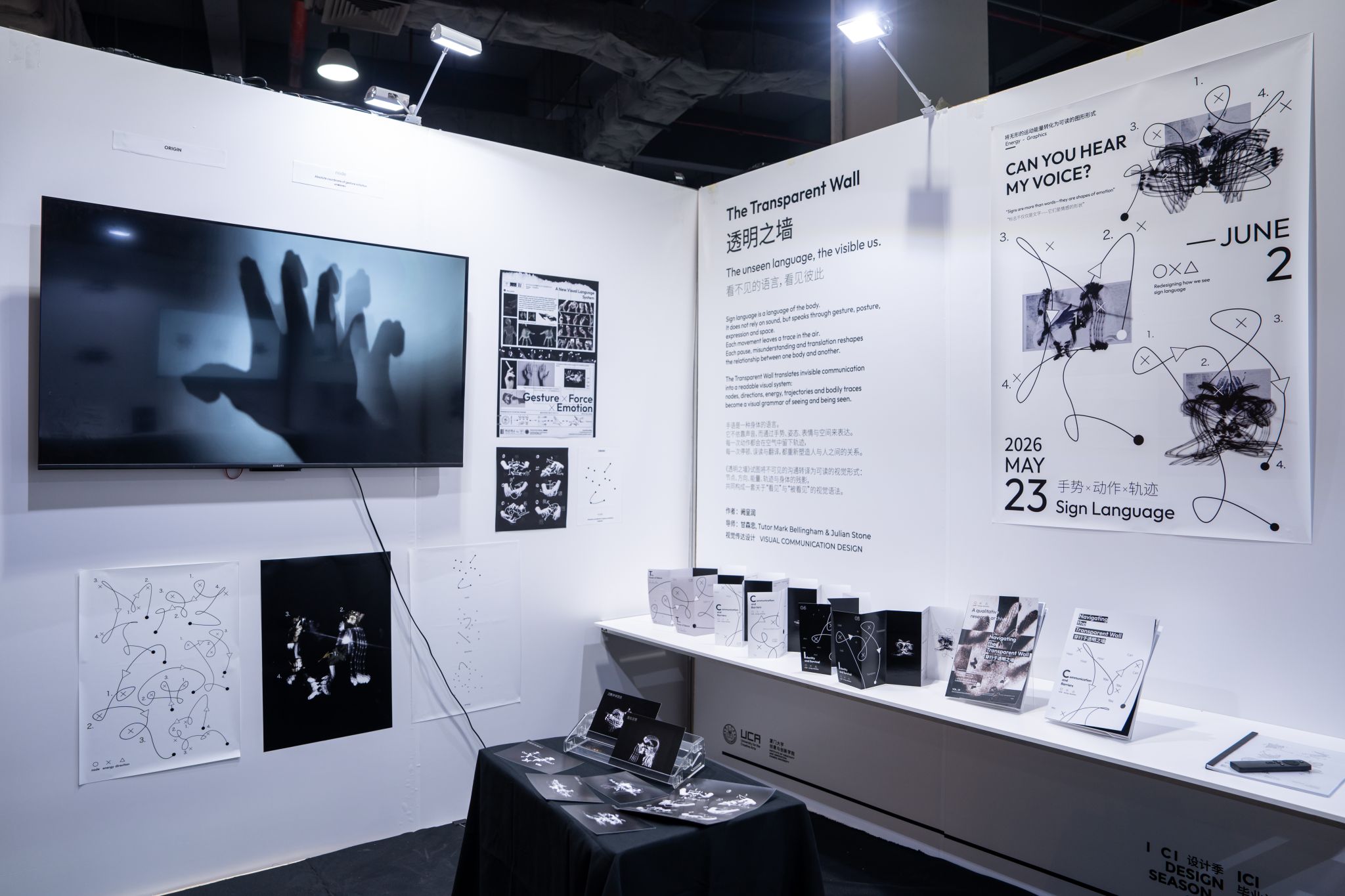
Sign language is a silent form of body language that conveys meaning through gestures, postures, and emotions without relying on sound. Every hand raise, pause, or turn leaves fleeting traces in the air. My final major project, "The Transparent Wall," seeks to transform the invisible communication of sign language into a readable visual form—by capturing gesture nodes, movement direction, transmitted energy, and limb trajectories—to establish a visual grammar centered on "seeing" and "being seen." I aim to break the notion that "sound" is the sole standard for communication, enabling more people to understand the logic of the silent world, so that sign language becomes not an invisible wall, but a bridge connecting us all.
DU Qiongyu, Environmental Design (Class of 2026): Final Major Project—The Roaming Cuo Project
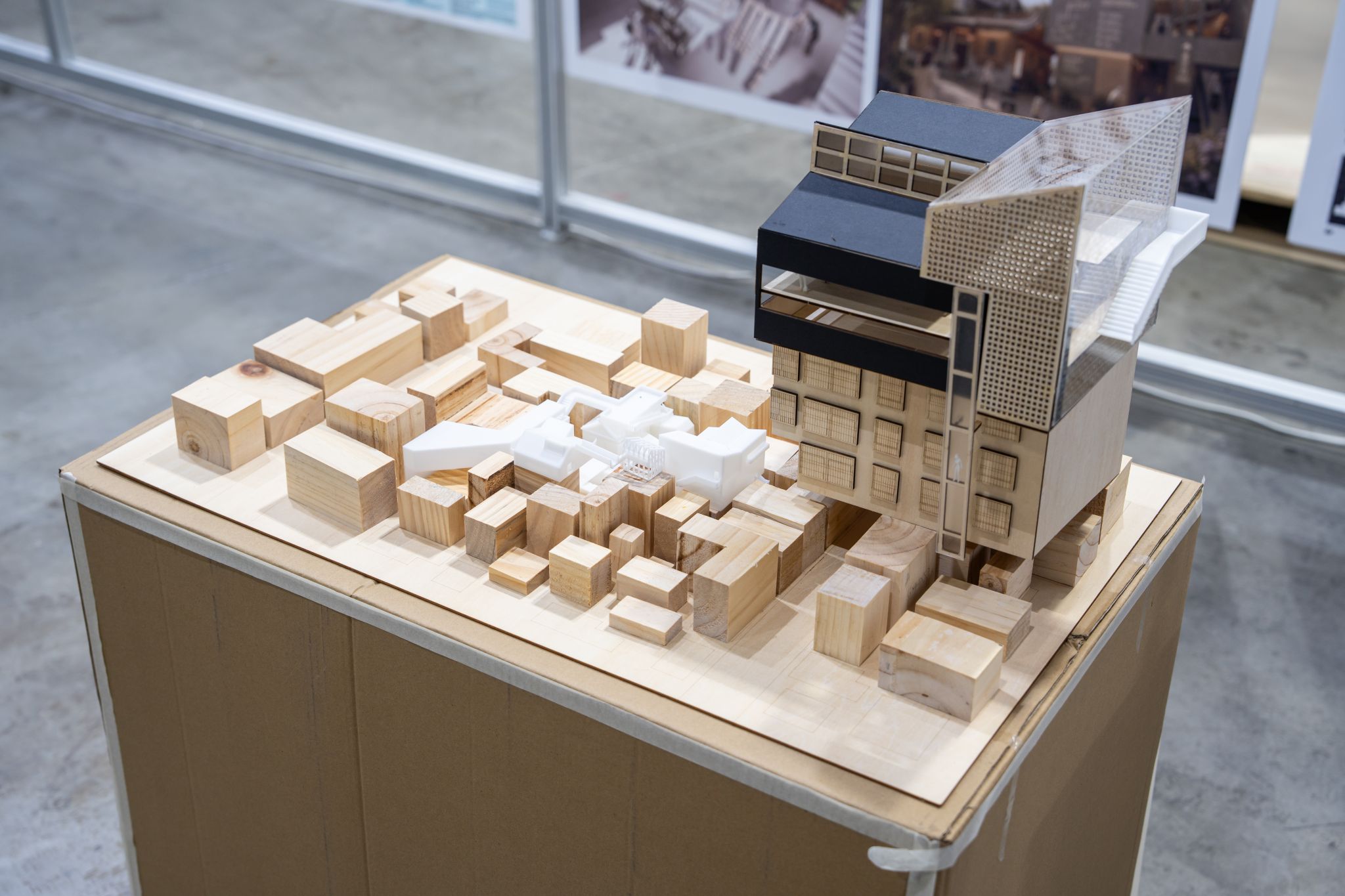
This project seeks to adopt a roaming-oriented, lightly interventionist and participatory approach, turning gucuo buildings and their construction craftsmanship from static historical relics into community living venues accessible to diverse groups for joint participation, co-production and shared utilisation. Throughout the whole research and practice, I have gradually come to understand that design-based intervention in historic architecture entails far more than the revitalisation of physical spaces. It is equally critical to trace the original construction techniques, conserve the memories and sentiments embodied by these spaces, and reintroduce historical heritage into ordinary modern life, which is the way to sustain the authentic living inheritance of history. I sincerely appreciate the guidance, support and companionship offered by my tutors and classmates. In the days ahead, I will continue to conduct in-depth research, endeavour to turn design ideas into real-world implementation, and help historical heritage become deeply embedded in contemporary life.

