To deepen cooperative exchanges and strengthen industry linkages, from June 29 to July 2, Professor QIN Jian, Dean of ICI, led a delegation on a visit to Hong Kong. The delegation visited the Faculty of Architecture at the University of Hong Kong (HKU), Gensler Hong Kong, and the School of Design at The Hong Kong Polytechnic University (PolyU).
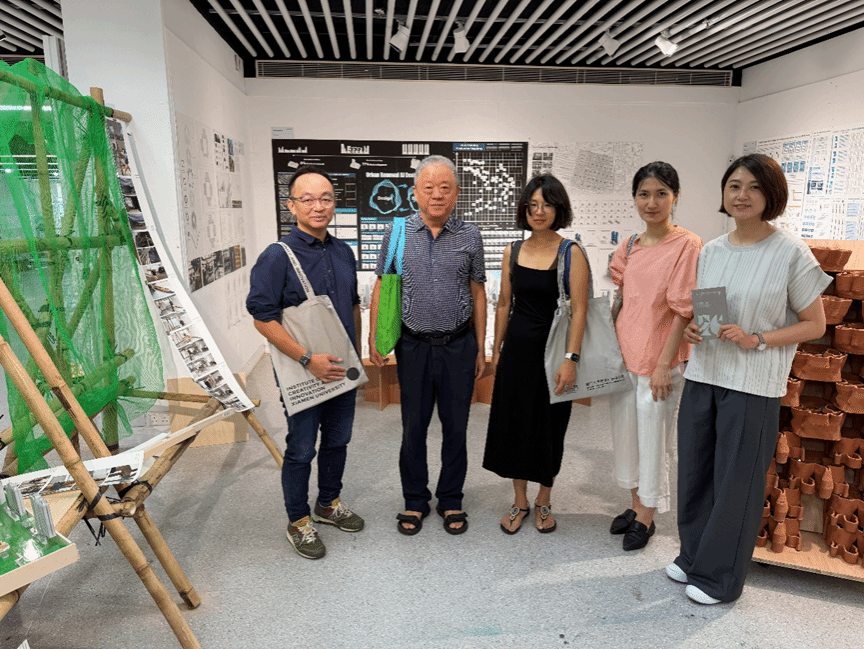
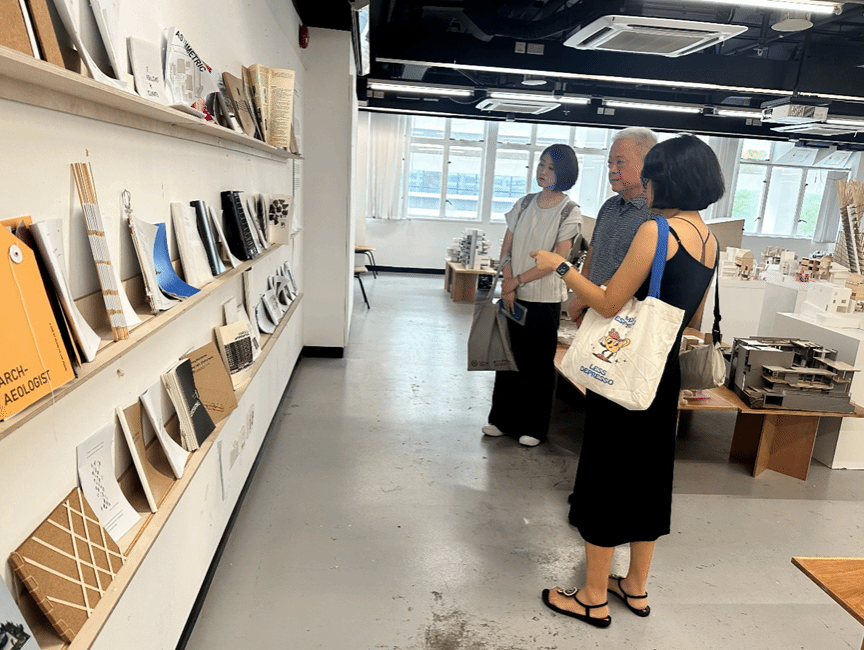
At the Faculty of Architecture, HKU, the delegation visited the Architecture Degree Show, a comprehensive showcase of student projects across all undergraduate and postgraduate year levels. Lecturer LI Tianying from the Department of Architecture provided an in-depth overview of the department's pedagogy, grounded in the "Design Studio" model, as well as its progressively structured undergraduate curriculum that builds from fundamental architectural principles toward integrated project-based learning. The exhibited works represent the students’ reflection, vision and imagination of the built-environment, their concerns with the social and cultural milieus as well as their determination to engage in and design new spaces for contemporary conditions in our societies.
The delegation also met with Associate Professor Thomas TSANG, Associate Dean of the Faculty, and Associate Professor Eunice SENG, Head of the Department of Architecture. The two parties exchanged insights on knowledge exchange, interdisciplinary co-creation, and industry collaboration, and discussed ways to foster closer, more balanced academia–industry interactions that would generate synergies. Both parties emphasized the importance of solid humanistic foundation and the role of design research in addressing real-world challenges, and expressed their shared commitment to further deepening exchanges and cooperation.
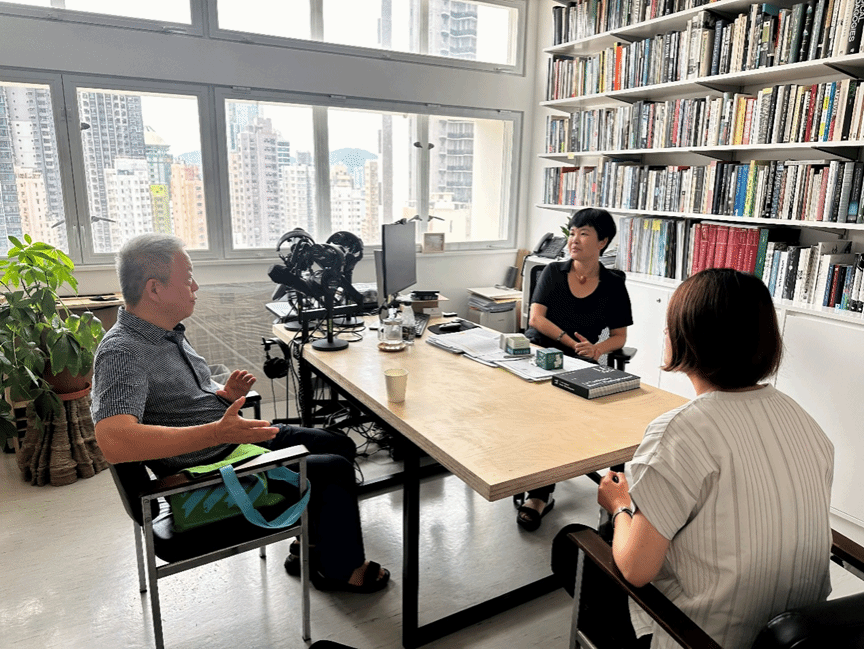
At Gensler Hong Kong, the delegation held talks with Ray YUAN, Managing Director, and Issac CHOW, Project Director. Mr. Yuan provided an overview of Gensler's overall development, covering its organizational structure, business footprint, and global collaborative network. He also highlighted the systematic research conducted by the Gensler Research Institute on cutting-edge design topics, along with key findings from global projects, underscoring Gensler's leadership in driving design innovation through research.
Dean QIN shared the Institute’s latest efforts to deepen academia-industry integration, outlining its strategic direction of driving teaching reform through real-world projects and aligning design practice with the forefront of industry. The two parties exchanged views on topics including internships, teaching practices featuring comprehensive involvement from industry experts, and the cultivation of innovative design talent. They reached consensus on jointly establishing a long-term mechanism for future-oriented collaborative education, and expressed their expectation to better align educational offerings with industry needs and achieve mutual empowerment between teaching practice and industry development.
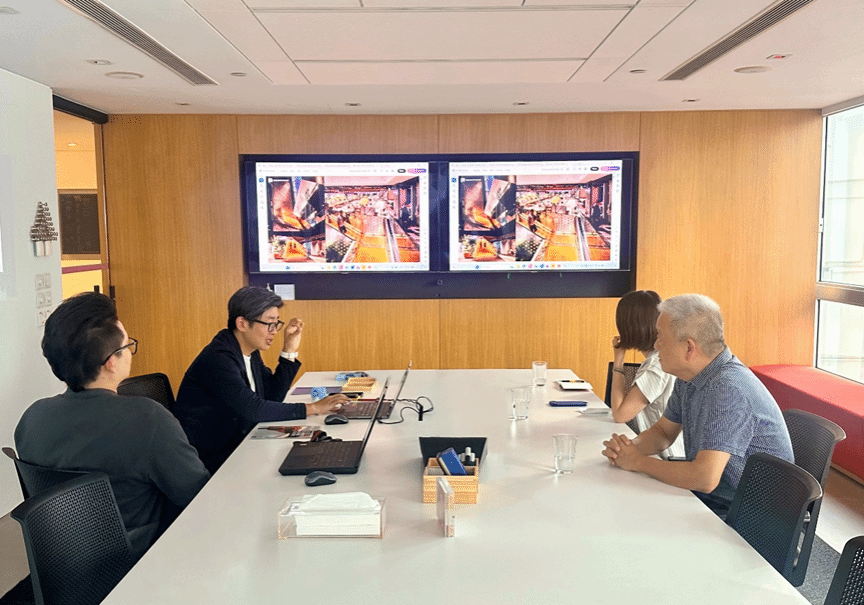
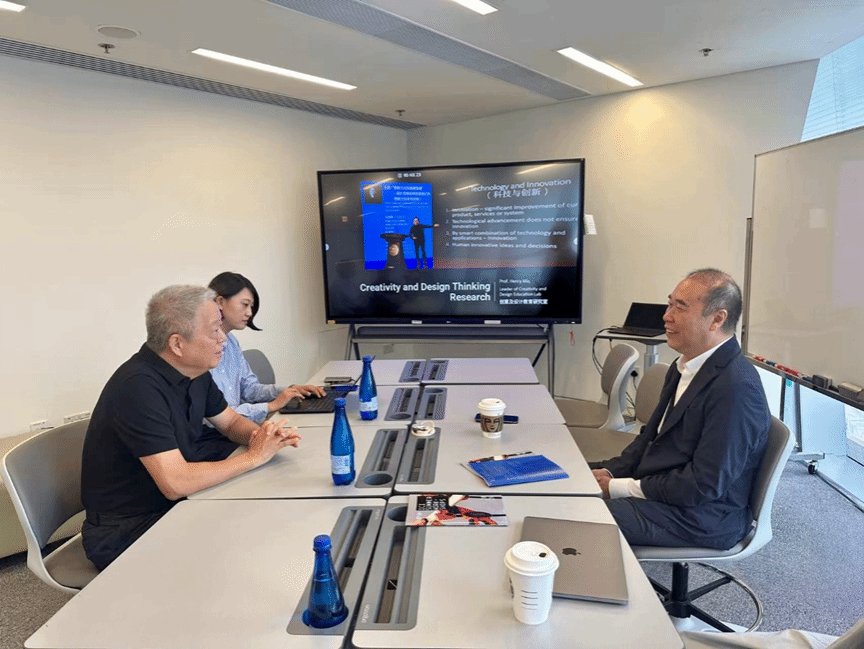
At the School of Design, PolyU, the delegation met with Professor Henry MA, former Associate Dean and current Director of the Doctor of Design (DDes) programme and the Creative and Design Education Laboratory. Professor Ma introduced the School's strategic direction of leveraging technology to empower design innovation, as well as the laboratory's exploration of talent development in the AI era. He emphasized that the essence of creative education lies in shaping "the person"—nurturing designers equipped with critical design thinking capabilities, rather than focusing on product design alone.
Dean QIN strongly concurred, sharing the founding philosophy of ICI, which has been committed to driving the deep integration of technological innovation and human creativity. The discussion revealed a strong alignment between the two institutions in their educational values regarding design education. During the talks, they exchanged views on restructuring teaching systems and developing pathways to cultivate design thinking, expressing keen interest in pursuing multi-level, multi-dimensional collaboration.
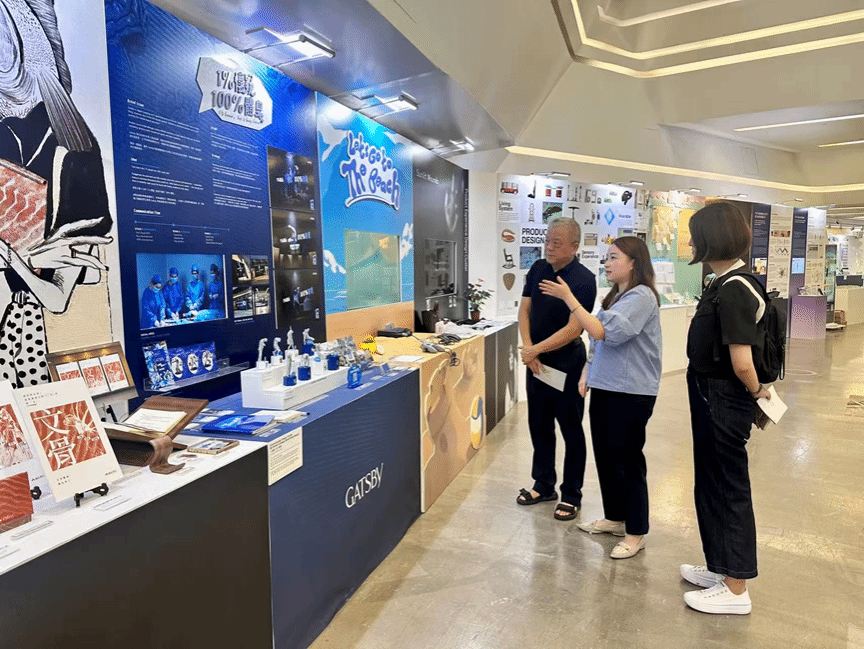
During their visit, the delegation also visited the PolyU Design Show, which brings together works by nearly 400 students. The exhibition explores a wide range of proposals responding to personal questions, commercial realities, community needs, and pressing environmental, economic, and social challenges—developed through research, craftsmanship, AI, and emerging technologies.
The visit to Hong Kong marked a pragmatic step forward in ICI's efforts to strengthen inter-institutional collaboration and deepen industry connections.

